

Ever had one of those moments where everything feels fine—until suddenly, it doesn’t?
You’re going about your day — maybe working, grocery shopping, or getting ready for bed — when suddenly your heart races, your chest tightens, and a wave of dread crashes over you. You feel like something is terribly wrong. Are you having a heart attack? Are you losing control?
It might actually be a panic attack — and if you’re in midlife, you’re not alone.
🌀 What Is a Panic Attack?
A panic attack is a sudden surge of intense fear or discomfort that comes on quickly — often with no clear trigger. It can cause physical symptoms like:
- Rapid heartbeat
- Shortness of breath
- Chest pain
- Dizziness or lightheadedness
- Nausea
- Sweating or chills
- Numbness or tingling
- A sense of detachment or feeling like you’re “going crazy”
These episodes can be terrifying, but they’re not life-threatening — even though they may feel like it in the moment.

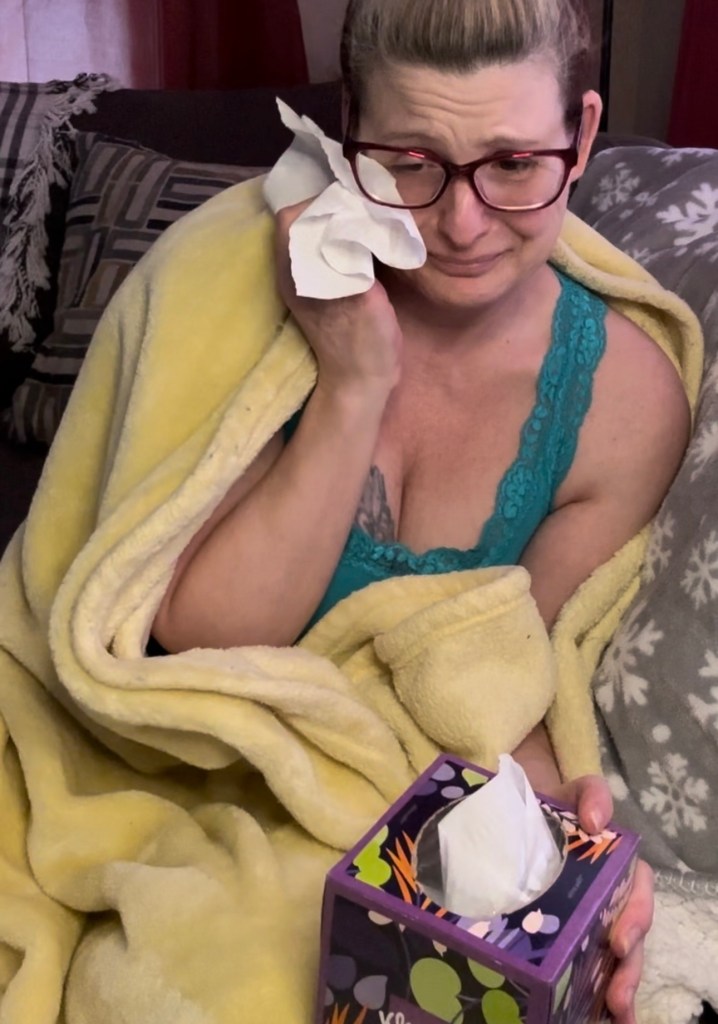
Woman in her 40s having a midlife moment of panic and anxiety
🔍 Why Do Panic Attacks Happen?
Panic attacks are the body’s fight-or-flight system misfiring. Your brain perceives a threat — even if it’s not real — and floods your system with stress hormones like adrenaline. This causes the intense physical symptoms we associate with panic.
Triggers can include:
- High levels of ongoing stress
- Major life transitions
- Trauma or unresolved anxiety
- Hormonal shifts (yes, we’ll get to that!)
- Sleep deprivation
- Caffeine or certain medications
🌡️ Why Are Panic Attacks More Common in Midlife?
In midlife, your body and brain are navigating a lot behind the scenes:
- Hormonal changes during perimenopause and menopause can disrupt your nervous system and make you more sensitive to stress. Drops in estrogen and progesterone can increase anxiety, affect mood regulation, and throw off sleep — all of which raise the risk of panic attacks.
- Life pressures — like aging parents, teens, career burnout, or relationship shifts — can pile on emotional stress.
- Physical health changes, thyroid imbalances, or vitamin deficiencies can mimic or intensify panic symptoms.
So if you’re in your 40s or 50s and suddenly struggling with anxiety or panic, you’re not broken — your body is just asking for more support.

🧘♀️ How to Calm a Panic Attack Quickly
The good news? There are things you can do in the moment to help stop a panic attack in its tracks:
1. Ground yourself
Look around and name 5 things you see, 4 you can touch, 3 you can hear, 2 you can smell, and 1 you can taste. This 5-4-3-2-1 technique helps anchor you to the present.
2. Breathe with intention
Try this: Inhale slowly for 4 counts, hold for 4, exhale for 6. Repeat a few rounds. Slowing your exhale tells your nervous system it’s safe to calm down.
3. Use a calming statement
Say to yourself: “This is just a panic attack. It will pass. I am safe.” Even if it doesn’t feel true right away, this affirmation disrupts fear loops in the brain.
4. Change your environment
If you can, step outside, splash cold water on your face, or hold something with texture (like an ice cube or smooth stone). Engaging the senses can interrupt the panic cycle.
🌿 Long-Term Support for Midlife Anxiety
Panic attacks are a signal — not a flaw. Supporting your nervous system consistently can help reduce their frequency:
- Sleep is non-negotiable. Prioritize deep rest whenever possible.
- Exercise (even gentle walks or stretching) burns off stress hormones.
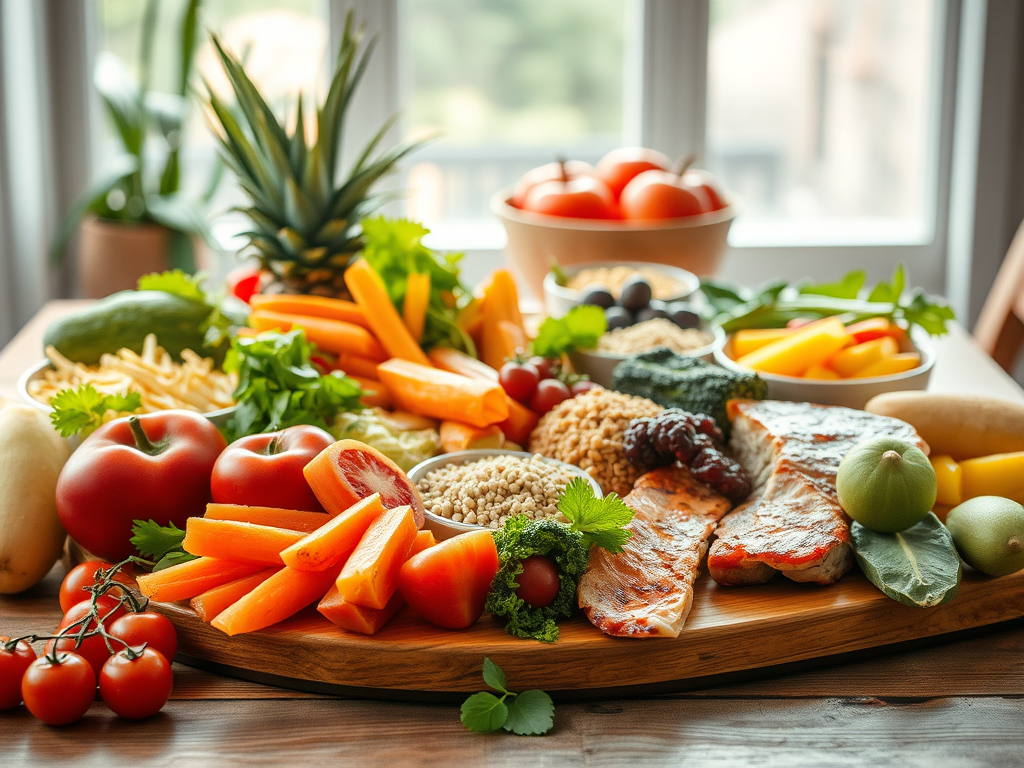
- Balanced nutrition stabilizes blood sugar and mood.
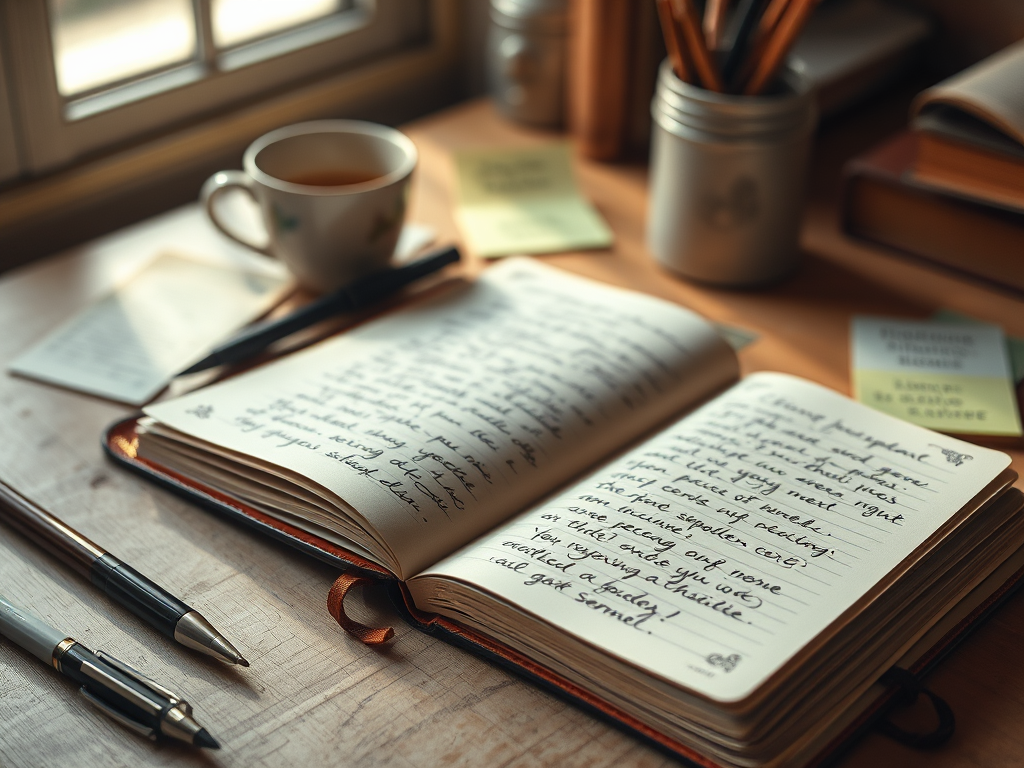
- Therapy or support groups can help you process what’s beneath the surface.
- Consider hormonal support — talk to your doctor about HRT or alternatives if you suspect your symptoms are connected to perimenopause or menopause.

💛 Final Thoughts
If you’ve been struggling with panic attacks in midlife, please know: you’re not alone, and you’re not “too emotional,” “too sensitive,” or “too much.”
Your body is trying to keep you safe — it just needs a little help remembering that you already are.
You deserve peace, clarity, and support in this season of life. And you’re not crazy — you’re going through something very real.








 Balance & Bloom 50+