A message for midlife parents who are struggling to transition from raising children to supporting adult kids
When your child grows up, you expect things to get easier.
But instead, many of us are left asking a quiet question we didn’t see coming:
“What’s my role now?”
If you’ve ever wrestled with how much to help, when to step back, or how to stop feeling guilty for wanting a life of your own—you’re not alone. And you’re not a bad parent. You’re simply navigating a part of the journey no one warned you about.
Why I Wrote This Book
They’re Grown—Now What? was born out of the countless conversations I’ve had as a therapist—and as a mother. I’ve watched strong, compassionate parents lose themselves trying to hold everything together for their adult children, all while quietly pushing their own needs, dreams, and healing aside.
This book is for the ones who feel torn between love and exhaustion.
It’s for the moms who still get 2 a.m. crisis calls and the dads who feel invisible in the parenting equation.
It’s for anyone who’s asking, “How do I let go, without letting them fall?”
What You’ll Find Inside
This isn’t a book that tells you to “just cut them off” or “toughen up.”
It’s a gentle but honest guide for the in-between—where love meets limits, and where your own identity matters, too.
Inside, we’ll explore:
Setting boundaries with adult children (without guilt) Understanding midlife burnout and how to heal What healthy adult relationships actually look like Coping with estrangement or distance Rediscovering your own life, joy, and voice
Every chapter is grounded in clinical insight and real-life experience—written by someone who’s walked the road, too.
For the Parent Who’s Still Giving Everything
If you’ve ever felt like you’re carrying the invisible load of everyone else’s emotions…
If you’ve been afraid to say, “I’m struggling,” because you’re the one everyone counts on…
If you’ve wondered who you are beyond being “Mom” or “Dad”…
This book is for you.
Ready to Begin?
They’re Grown—Now What? is now available in paperback, hardcover, and eBook formats. Whether you’re reading with a highlighter in hand or keeping it tucked on your nightstand for when things feel heavy, I hope these pages offer insight, relief, and a reminder that you matter too.
By Lori Wesmiller, Mental Health Therapist | Balance & Bloom 50+
Woman in midlife feeling depressed and anxious sitting at her house on the couch
You’ve always felt pretty emotionally steady. But lately? You’re not so sure.
Maybe you’ve started feeling more anxious. Maybe your mood drops for no reason. Maybe you find yourself overreacting—or numbing out completely. And the question starts to creep in: Is something wrong with me?
If this sounds familiar, you’re not alone—and no, you’re not losing it. Mental health shifts in midlife are common, but rarely talked about. And understanding what’s happening beneath the surface can help you find clarity, support, and peace.
Midlife Isn’t Just a Phase—It’s a Psychological Turning Point
Midlife (typically defined as your 40s through 60s) brings enormous physical, emotional, and relational change. Hormones shift. Roles change. Losses accumulate. And the questions get bigger: Who am I now? What matters most?
This period of life naturally stirs up identity, grief, and uncertainty—which can set the stage for mental health challenges that may not have surfaced before.
5 Common Mental Health Conditions That Can Emerge in Midlife
Midlife woman sitting at home having mental health problems
Let’s normalize this. Here are some of the most common mental health conditions that can first show up—or get significantly worse—during midlife:
1. Anxiety Disorders
You might feel jumpy, irritable, overwhelmed, or like your body’s always on high alert. Generalized anxiety, panic attacks, or health-related anxiety can increase during perimenopause due to hormonal fluctuations (especially drops in estrogen and progesterone, which regulate calming neurotransmitters like GABA).
2. Depression
Midlife depression doesn’t always look like sadness. It can show up as numbness, lack of motivation, physical fatigue, or a loss of joy in things you used to love. Hormonal changes, accumulated life stress, and unmet emotional needs all contribute.
3. Obsessive Thinking or OCD Tendencies
Intrusive thoughts and compulsive behaviors can intensify when estrogen drops and stress rises. It may look like perfectionism, over-checking, or repetitive thoughts that feel hard to shake.
4. PTSD or Trauma Re-emergence
Old wounds you thought were “handled” may resurface—especially if you finally have space to process them. This might happen around anniversaries, losses, or when your environment feels emotionally safer than it did in the past.
5. Substance Misuse or Emotional Numbing
When life feels heavy and overstimulating, numbing behaviors can sneak in—whether that’s wine every night, online shopping, food binges, or scrolling for hours. These aren’t moral failures; they’re coping strategies. But they can turn into deeper issues when left unaddressed.
Why Midlife Makes Us More Vulnerable
There’s a physiological reason this happens. In midlife, your brain is responding to hormonal shifts, disrupted sleep, nervous system dysregulation, and decades of cumulative stress. Add caregiving responsibilities, grief, changing bodies, and evolving relationships—and your emotional capacity gets stretched.
Many women have spent years holding everything together. By the time midlife hits, the emotional backlog needs somewhere to go.
Signs You Might Be Struggling (Even If You’re Still Functioning)
Sad depressed midlife woman at home sitting on the couch, looking down and touching her forehead,
You don’t have to be falling apart to be struggling. Common midlife mental health signs include:
Feeling “off” or unlike yourself
Irritability, impatience, or mood swings
Overwhelm at small tasks
Isolating more than usual
Sleep issues or appetite changes
Teariness or unexpected crying
A deep sense of restlessness or numbness
Questioning your life, marriage, career, or self-worth
If any of these feel familiar, your nervous system may be waving a white flag.
You’re Not Broken—You’re Becoming More Fully You
Midlife can feel like unraveling. But often, it’s actually an unveiling—a shedding of old roles, outdated expectations, and buried emotions. Mental health challenges aren’t a sign you’re weak—they’re a sign something inside you is asking to be seen, heard, and healed.
Therapy, community, self-regulation tools, and even HRT (for those in perimenopause or menopause) can help stabilize your emotional world and reconnect you with yourself.
Final Thoughts: You Don’t Have to “Push Through” This
You’re not too late. You’re not too far gone. And you’re definitely not the only one feeling this way. Whether your mental health challenges are new, returning, or evolving—you deserve support that meets you in this season with compassion and care.
This isn’t about starting over. It’s about starting deeper.
Important Reminder
If your symptoms are interfering with daily life—like trouble sleeping, ongoing panic, thoughts of hopelessness, or feeling emotionally overwhelmed more days than not—it’s time to reach out. Mental health concerns are treatable, and you don’t have to manage them alone. Please speak with a licensed therapist, medical provider, or mental health professional if you need extra support. You are worthy of care.
Need Extra Support? Download These Free Therapist-Backed Guides
By Lori Wesmiller, Mental Health Therapist & Founder of Balance & Bloom 50+
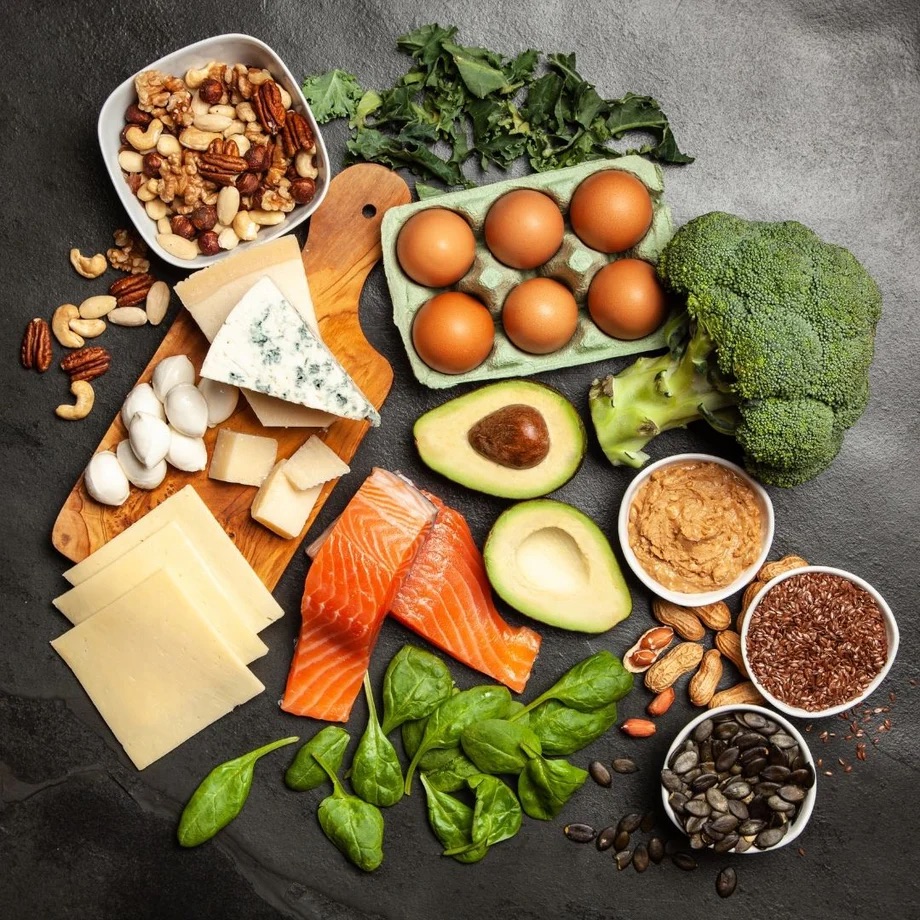
Healthy foods for the ketogenic diet
Let’s start with a surprising question…
What if your anxiety, brain fog, and emotional ups and downs in menopause weren’t just about hormones… but also about how your brain is being fueled?
The medical ketogenic diet—a therapeutic, doctor-supervised version of the popular keto trend—is gaining attention not just for weight loss, but for its powerful effects on brain health and mental well-being. Especially in midlife women.
In this post, we’ll explore what the medical keto diet actually is, how it works, and why it may help stabilize mood, reduce inflammation, and support cognitive health during menopause.
What If You’ve Been Fueling Your Brain the Wrong Way?
When I first heard that some doctors were prescribing fat as medicine for the brain, I did a double take.
As a therapist and a midlife woman going through the rollercoaster of menopause, I’ve spent years learning about how food affects mood. But what I discovered about the medical ketogenic diet went far beyond the usual clean eating advice. This isn’t about weight loss or counting macros—this is about how your brain gets its fuel.
And if you’re dealing with brain fog, mood swings, anxiety, or mental exhaustion in midlife, it’s a conversation worth having.
midlife woman discussing menopause options with her doctor
What Is the Medical Ketogenic Diet?
Let’s separate fact from fad.
The medical ketogenic diet is a therapeutic, high-fat, very low-carb diet originally developed in the 1920s to treat epilepsy. Unlike trendy versions of keto focused on weight loss, the medical approach is often clinically supervised, especially when used for neurological or psychiatric conditions.
Here’s how it works:
When you cut carbohydrates significantly, your body switches from burning glucose to burning fat. This metabolic shift produces ketones, an alternate fuel source—especially powerful for the brain.
Researchers are now exploring how ketones can impact serious conditions like:
Your brain typically runs on glucose, but it can thrive on ketones—especially when its regular fuel system becomes less efficient (like in aging or menopause). Here’s what ketones may do:
🧠 Reduce neuroinflammation
🧠 Balance neurotransmitters like GABA and glutamate
🧠 Enhance mitochondrial function (energy production at the cellular level)
🧠 Protect neurons from oxidative stress and degeneration
🧠 Stabilize mood by smoothing out energy crashes
In a 2025 Stanford study, individuals with severe, treatment-resistant mental illness saw significant symptom improvement on a medically supervised keto protocol. Other research supports benefits in reducing symptoms of anxiety and depression—especially when blood sugar, insulin resistance, and inflammation are involved.
Midlife, Menopause & Mental Health: The Connection
Midlife woman thinking about menopause
So where does menopause come in?
During perimenopause and menopause, estrogen levels decline, and with that drop comes a ripple effect across your brain. Estrogen helps regulate neurotransmitters, blood sugar, inflammation, and even how your brain metabolizes energy. That’s why many women report symptoms like:
Brain fog Forgetfulness Anxiety or panic Mood swings Depression Motivation loss
Add in poor sleep, cortisol spikes, and hormone chaos, and it’s no wonder your mental health takes a hit.
Medical keto may provide a steady, efficient energy source for the brain when estrogen is no longer buffering the system. It’s not a cure-all—but it’s a tool worth understanding.
But Is It Safe? And Is It for You?
This isn’t about going full bacon-and-butter overnight.
The medical ketogenic diet should be explored with a provider—especially if you have thyroid issues, adrenal concerns, or take medications for mood or blood pressure. Nutrient deficiencies, electrolyte imbalances, and fatigue can happen without guidance.
Questions to explore with your provider:
Do I have signs of insulin resistance or metabolic dysfunction? Have I experienced mood instability or anxiety since entering perimenopause? Do I respond poorly to blood sugar fluctuations or caffeine crashes? Am I already on a high-carb diet and noticing energy crashes or mental fog?
A skilled dietitian or integrative provider can help personalize the approach—because keto is not about extremes. It’s about fueling your brain in a way that supports mental resilience.
The Takeaway: It’s About Options
If you’re in midlife and feel like your brain is stuck in molasses… or like your mood isn’t matching your mindset, keto might be worth exploring—not as a diet, but as a metabolic therapy.
Want More Support?
If you’re in midlife and feeling overwhelmed by mental changes, hormonal chaos, or just off, you’re not alone. I’ve been there too.
Learn how the Ketogenic diet can alleviate mental health symptoms from anxiety, depression, schizophrenia and more!
💛 Free Therapist-Created Guides to Help You Feel Like Yourself Again
🧠 Feeling more anxious than usual in your 40s or 50s? You’re not alone. Midlife anxiety is real—and manageable. Download the free guide: Midlife Anxiety—Understanding, Calming & Reclaiming Peace 👉 Download here
🌸 Want clarity around your hormones, HRT, and how to feel better in your body? Get the free guide: Hormone Harmony—What Every Woman Needs to Know 👉 Download here
You’re not too late. You’re just getting started.
Let’s rewrite the midlife story—one hormone, one habit, one healing moment at a time. 💚
💡RESOURCES & RESEARCH
Here are the studies and articles referenced in this blog post:
Ever had one of those moments where everything feels fine—until suddenly, it doesn’t?
You’re going about your day — maybe working, grocery shopping, or getting ready for bed — when suddenly your heart races, your chest tightens, and a wave of dread crashes over you. You feel like something is terribly wrong. Are you having a heart attack? Are you losing control?
It might actually be a panic attack — and if you’re in midlife, you’re not alone.
🌀 What Is a Panic Attack?
A panic attack is a sudden surge of intense fear or discomfort that comes on quickly — often with no clear trigger. It can cause physical symptoms like:
Rapid heartbeat
Shortness of breath
Chest pain
Dizziness or lightheadedness
Nausea
Sweating or chills
Numbness or tingling
A sense of detachment or feeling like you’re “going crazy”
These episodes can be terrifying, but they’re not life-threatening — even though they may feel like it in the moment.
Woman in her 40s having a midlife moment of panic and anxiety
🔍 Why Do Panic Attacks Happen?
Panic attacks are the body’s fight-or-flight system misfiring. Your brain perceives a threat — even if it’s not real — and floods your system with stress hormones like adrenaline. This causes the intense physical symptoms we associate with panic.
Triggers can include:
High levels of ongoing stress
Major life transitions
Trauma or unresolved anxiety
Hormonal shifts (yes, we’ll get to that!)
Sleep deprivation
Caffeine or certain medications
🌡️ Why Are Panic Attacks More Common in Midlife?
In midlife, your body and brain are navigating a lot behind the scenes:
Hormonal changes during perimenopause and menopause can disrupt your nervous system and make you more sensitive to stress. Drops in estrogen and progesterone can increase anxiety, affect mood regulation, and throw off sleep — all of which raise the risk of panic attacks.
Life pressures — like aging parents, teens, career burnout, or relationship shifts — can pile on emotional stress.
Physical health changes, thyroid imbalances, or vitamin deficiencies can mimic or intensify panic symptoms.
So if you’re in your 40s or 50s and suddenly struggling with anxiety or panic, you’re not broken — your body is just asking for more support.
40 year old woman having anxiety on a bench
🧘♀️ How to Calm a Panic Attack Quickly
The good news? There are things you can do in the moment to help stop a panic attack in its tracks:
1. Ground yourself
Look around and name 5 things you see, 4 you can touch, 3 you can hear, 2 you can smell, and 1 you can taste. This 5-4-3-2-1 technique helps anchor you to the present.
2. Breathe with intention
Try this: Inhale slowly for 4 counts, hold for 4, exhale for 6. Repeat a few rounds. Slowing your exhale tells your nervous system it’s safe to calm down.
3. Use a calming statement
Say to yourself: “This is just a panic attack. It will pass. I am safe.” Even if it doesn’t feel true right away, this affirmation disrupts fear loops in the brain.
4. Change your environment
If you can, step outside, splash cold water on your face, or hold something with texture (like an ice cube or smooth stone). Engaging the senses can interrupt the panic cycle.
🌿 Long-Term Support for Midlife Anxiety
Panic attacks are a signal — not a flaw. Supporting your nervous system consistently can help reduce their frequency:
Sleep is non-negotiable. Prioritize deep rest whenever possible.
Exercise (even gentle walks or stretching) burns off stress hormones.
Balanced nutrition stabilizes blood sugar and mood.
Therapy or support groups can help you process what’s beneath the surface.
Consider hormonal support — talk to your doctor about HRT or alternatives if you suspect your symptoms are connected to perimenopause or menopause.
Doctor offering hormonal support for midlife health
💛 Final Thoughts
If you’ve been struggling with panic attacks in midlife, please know: you’re not alone, and you’re not “too emotional,” “too sensitive,” or “too much.”
Your body is trying to keep you safe — it just needs a little help remembering that you already are.
You deserve peace, clarity, and support in this season of life. And you’re not crazy — you’re going through something very real.
After struggling with menopause symptoms, the author turned to hormone replacement therapy (HRT) for support. Working with a menopause specialist, she developed a personalized plan including progesterone and estrogen to address sleep, mood, and energy issues. She emphasizes that HRT can complement natural wellness and encourages others to consider it.
by Lori Wesmiller, MS – Balance & Bloom 50+
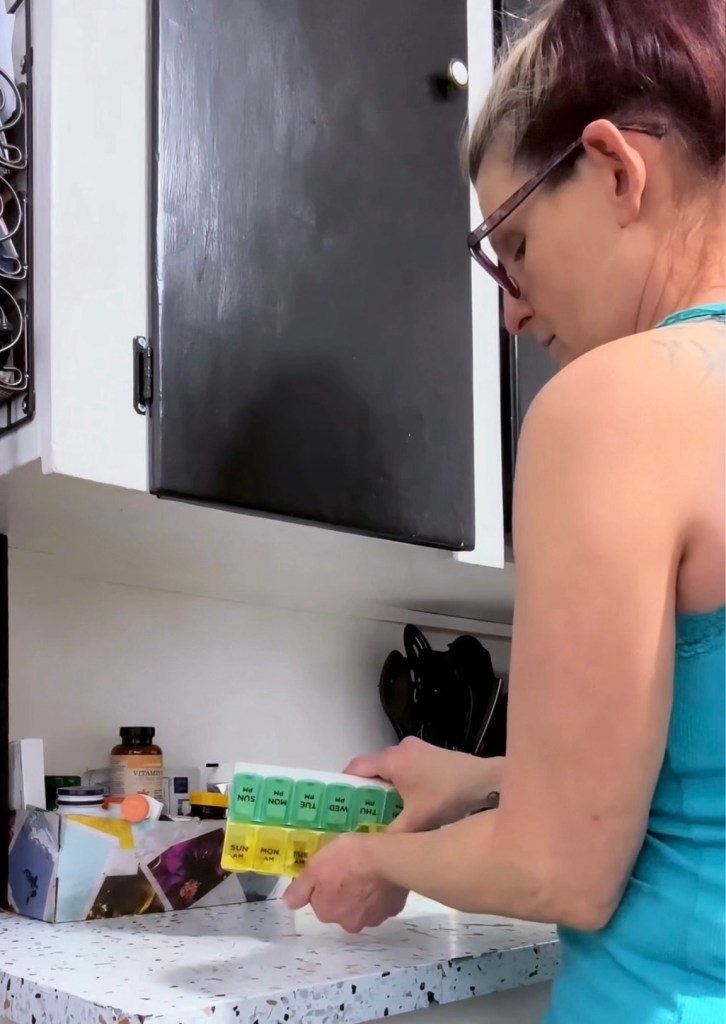
Organizing medication for hormone therapy management at home.
I’m all about tuning in to what your body needs in each season of life—and after trying so many natural strategies to manage my menopause symptoms, I reached a point where I felt like I needed more support.
I wasn’t sleeping well. My motivation had dipped. My joints were achy, and I had this nagging sense that I was pushing through each day, rather than living it.
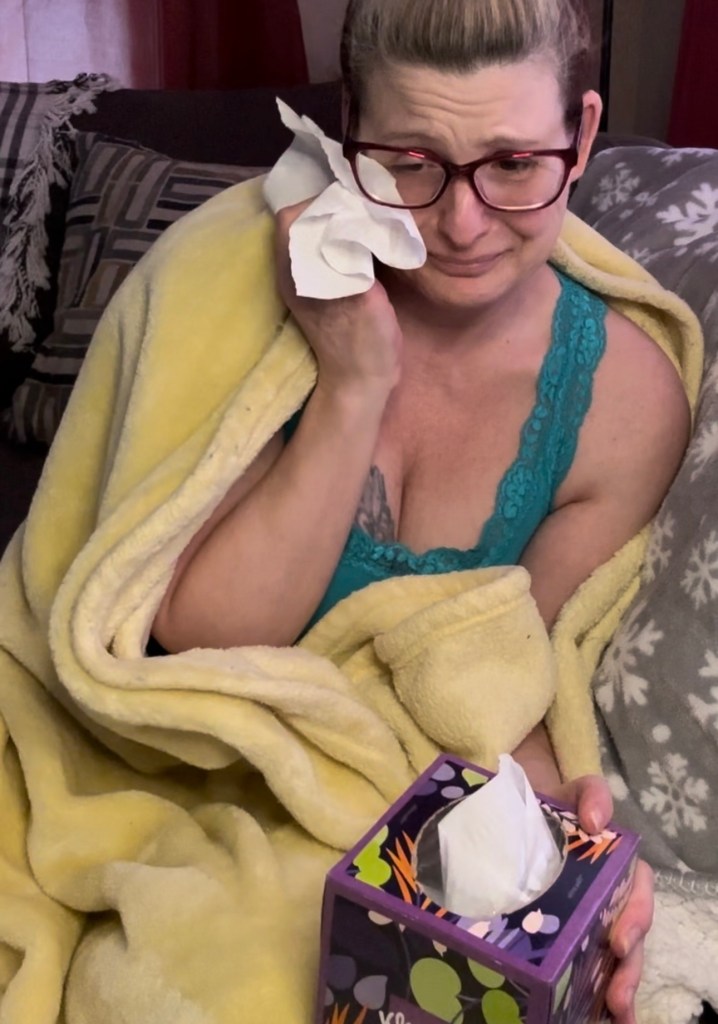
Lori wrapped in a yellow blanket, holding a tissue to her eye, expressing emotion.
Thankfully, my OB-GYN is a menopause specialist, and she really listened. We reviewed my symptoms, medical history, and lab results together. From there, she created a customized HRT plan tailored to my body’s needs and sensitivities.
We decided to begin with one 200mg progesterone capsule taken in the evening. Even though I had a hysterectomy back in 2012 and technically don’t need progesterone to protect the uterus, my doctor included it for other benefits. Specifically, it supports better sleep, eases anxiety, and helps stabilize mood swings.
Micronised progesterone soft gelatin capsules (200 mg) used in hormone replacement therapy.
After two weeks on progesterone alone, I started using a 0.0375mg estrogen patch, which I’ll change twice a week. This low-dose patch helps support energy, cognitive clarity, temperature regulation, and joint comfort, among other things.
Estradiol 0.0375mg Estrogen Transdermal Patch for HRT
This wasn’t an overnight decision—it was thoughtful, researched, and guided by a specialist. And I want other women to know: exploring HRT doesn’t mean you’re “giving up” on natural wellness. For many of us, it’s part of the picture of balanced, thriving health.
Disclaimer: Always consult your healthcare provider before starting any hormone therapy regimen—whether medicinal or natural. HRT is not one-size-fits-all. A trained provider can help you make the most informed and safe choice based on your unique health history and symptoms.
I’ll be keeping you updated on how this HRT journey unfolds, both here and over on my socials. If you have any questions about my path so far or are just curious about what it’s really like to start HRT, I’m always happy to share more. You’re not alone in this season—we’re blooming through it together.
Are you taking HRT for perimenopause or menopause symptoms? If so, what has your experience been?
How often do you say “no” to things that would interfere with your goals?
It’s a question that seems small, but it holds so much weight.
Because every time we say yes to something that pulls us off track—whether it’s skipping our movement for the day, saying yes to foods that leave us feeling sluggish, committing to obligations that drain us, or scrolling mindlessly instead of getting rest—we’re saying no to the version of ourselves we’re trying to become.
And let’s be honest—it’s not always easy. Sometimes saying “no” means disappointing others. Sometimes it means sitting with discomfort or breaking old patterns that feel safe. But each time we say “no” with intention, we’re creating space for something better. For our goals. For our health. For our peace.
This isn’t about perfection. It’s about alignment.
Saying “no” isn’t selfish—it’s self-honoring.
It’s drawing a boundary in the name of the life you actually want.
So today, take a moment to check in with yourself:
Where have I been saying “yes” out of habit or guilt? And what would it feel like to start saying “no” with confidence and clarity?
You have every right to protect your energy, your time, and your goals.
Give yourself permission.
Do you struggle with being able to say “no” ? If so…what are some ways you can learn to protect your “yes” and setting boundaries?
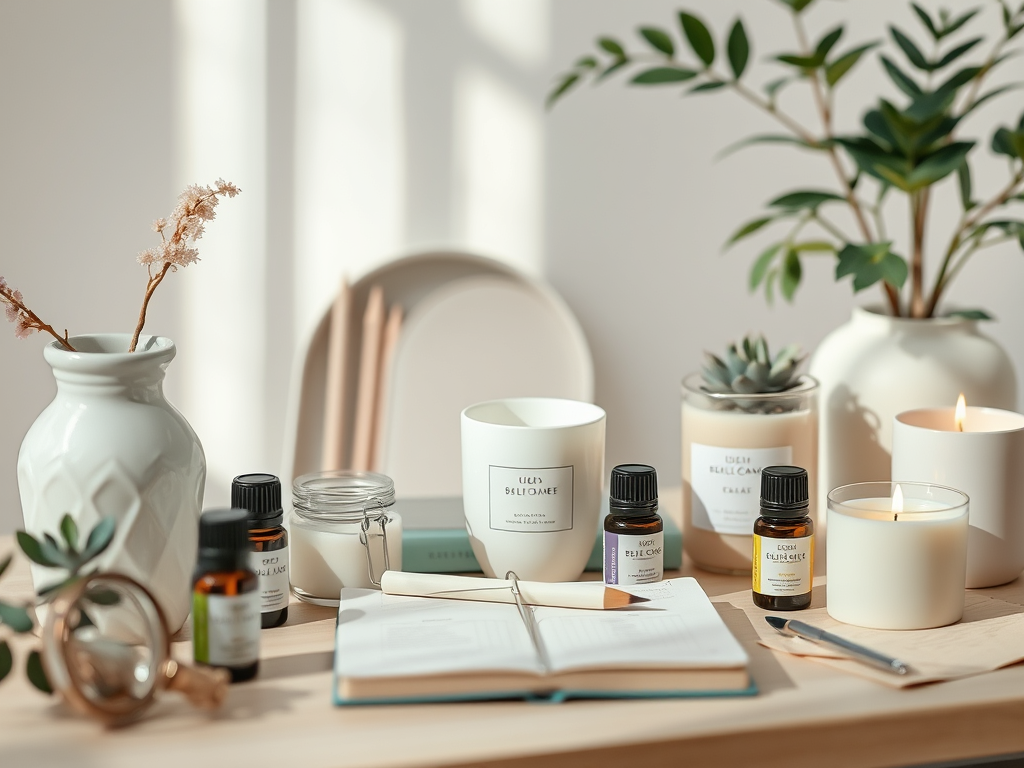
A calming self-care setup featuring essential oils, plants, and soothing candles, perfect for promoting relaxation during menopause.
Menopause isn’t just about hot flashes and hormone shifts—it’s a major life transition that impacts your body, mind, emotions, and identity. It can feel like everything is changing… because it is. And that’s why self-care during this time isn’t just helpful—it’s essential.
Here are 10 gentle, powerful ways to care for yourself during menopause and post-menopause so you can not just survive, but truly thrive.
1. Prioritize Sleep Like It’s Sacred
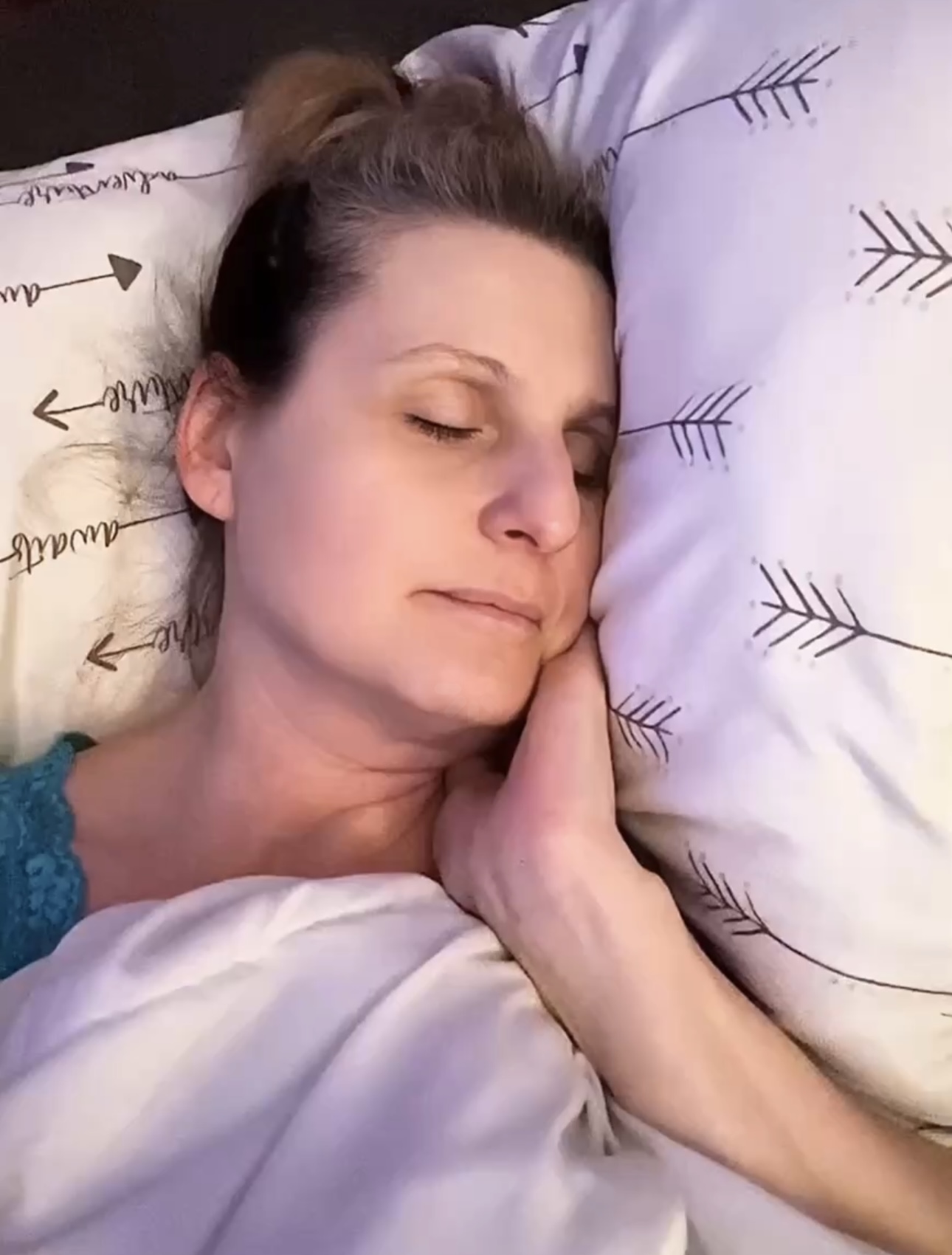
Sleep becomes trickier during menopause (hello night sweats and 3am anxiety), but it’s foundational for everything—your mood, metabolism, and mental clarity.
Tip: Create a calming wind-down ritual: no screens, cool room, magnesium or herbal tea, and consistent sleep/wake times.
2. Move Daily—Even If It’s Just 10 Minutes
You don’t need hour-long workouts to feel good. Gentle, consistent movement improves mood, supports hormone balance, and reduces joint pain.
Try: Walking, strength training, yoga, or even dancing in your kitchen.
3. Eat for Energy and Hormone Balance
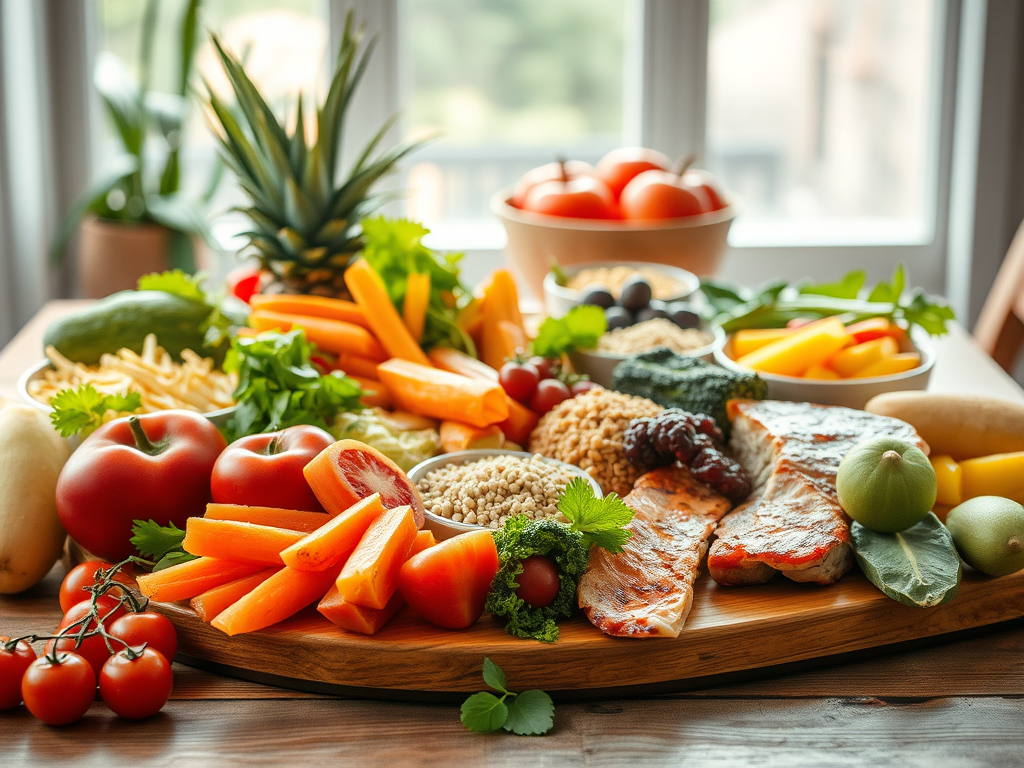
A colorful assortment of wholesome foods, including proteins, fruits, and vegetables, emphasizing the importance of nutrition for energy and hormone balance during menopause.
What you eat matters more than ever. Focus on whole foods that reduce inflammation and support digestion.
Focus on:
• Protein at every meal
• Fiber-rich veggies
• Healthy fats like olive oil, nuts, and seeds
• Plenty of hydration
4. Track Your Symptoms
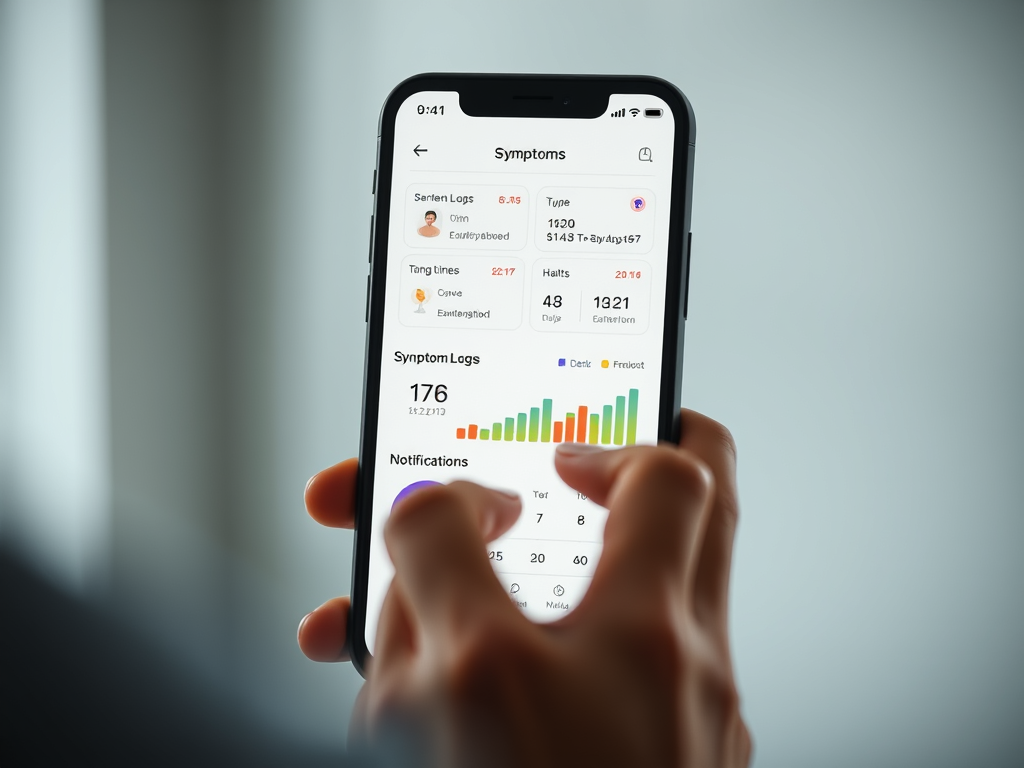
A smartphone displaying a symptom tracking app, highlighting the importance of monitoring menopause-related changes.
Noticing patterns in your sleep, mood, digestion, and energy can help you understand what your body needs.
Bonus: Bring your notes to doctor appointments—it’s empowering to advocate for yourself.
5. Practice Saying ‘No’ Without Guilt
Empowering self-care during menopause: embrace your strength and say ‘no’ without guilt.
Midlife is the perfect time to release people-pleasing. Protect your energy. You don’t need to explain or over-apologize.
Reminder: “No” is a complete sentence.
6. Nourish Your Gut
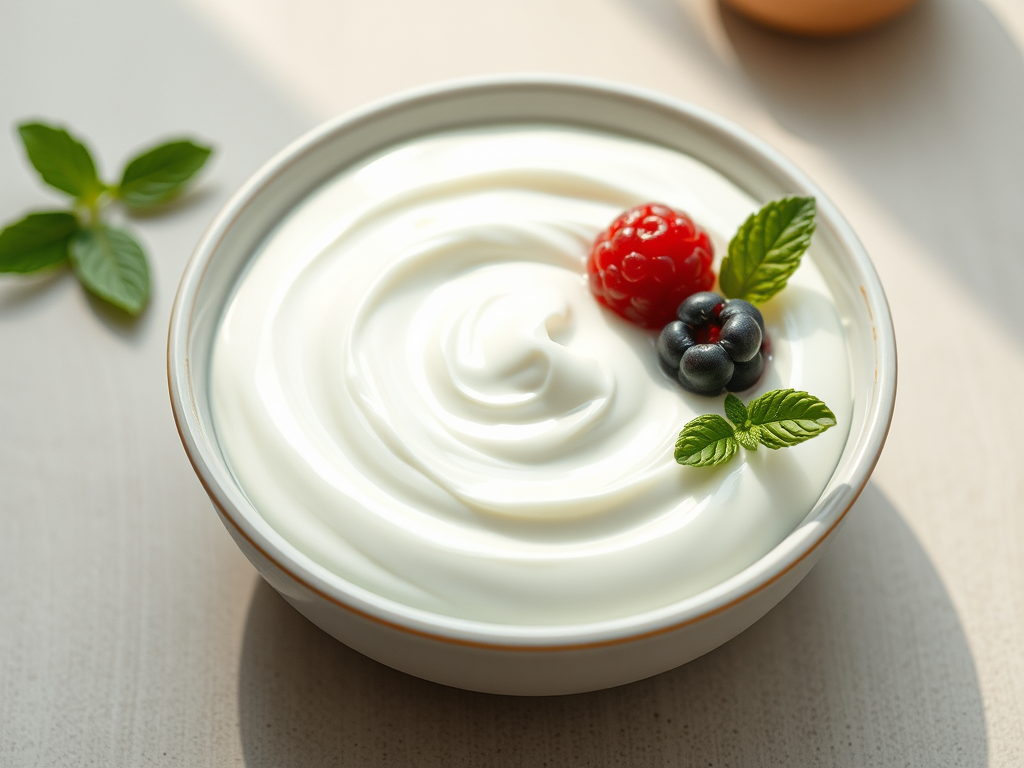
A bowl of yogurt topped with berries and mint, highlighting the importance of gut health during menopause.
Gut health is linked to mood, immunity, and hormone detox. Menopause can slow digestion, so extra care here goes a long way.
Include:
• Probiotic foods (sauerkraut, yogurt, kefir)
• Prebiotic fibers (onions, garlic, asparagus)
• Hydration + gentle movement
7. Check in With Your Emotional Wellness
A cozy workspace with a notebook filled with handwritten notes, a cup of tea, and pens, perfect for reflection and emotional wellness during menopause.
Mood swings, irritability, or sadness are common—but they’re not permanent. Make space for how you feel and don’t hesitate to seek help.
Support Options: Therapy, journaling, breathwork, or community connection
8. Invest in Comfortable Clothing (and Bedding!)
This sounds simple, but it’s life-changing. Soft, breathable fabrics can reduce irritation and support restful sleep.
Favorites: Cotton or bamboo sheets, wireless bras, and flowy layers for temperature shifts.
9. Find Joy Every Day—Big or Small
Laughter, creativity, music, gardening, reading, a good cup of tea—these things matter. Joy isn’t a luxury, it’s fuel.
Try: Scheduling joy into your day just like an appointment.
10. Remind Yourself: You Are Not Broken
Menopause is a natural evolution, not a failure of your body. You are wise, powerful, and still blooming.
Affirmation: “I honor this season and care for myself with love.”
Explore the writing prompt “What Is Your Favorite Weather?” and spark creativity with personal reflections on seasons, moods, and memories. Perfect for journaling, classroom activities, or self-discovery.
Lori Wesmiller, midlife therapist, thriving in menopause
Let’s take a moment to demystify something half the population will go through, yet many women feel unprepared for: menopause.
Whether you’re feeling off lately, starting to track irregular cycles, or deep in hot flash territory—this post is for you. Menopause is a powerful and natural transition, not a disease or weakness. And the more we understand it, the more we can support our bodies with compassion, confidence, and care.
🌸 What Is Menopause?
Menopause is the biological process that marks the end of your menstrual cycles. It’s officially diagnosed after 12 consecutive months without a period, typically occurring between the ages of 45 and 55.
But it doesn’t happen overnight—there’s a build-up stage known as perimenopause, which can begin years earlier and bring its own set of symptoms.
👩🦳 Who Does It Affect?
All women assigned female at birth who reach midlife
Typically begins between ages 45–55, but can happen earlier or later
Early menopause may be triggered by:
Surgery (hysterectomy or oophorectomy)
Cancer treatments (chemo/radiation)
Genetics or autoimmune conditions
And let’s be clear: menopause affects more than just your period. It can impact your entire body and emotional well-being.
Every woman’s experience is unique—some have few symptoms, while others feel like they’re living in someone else’s body.
🌿 Natural Remedies & Lifestyle Support
Before jumping to medications, many women explore natural approaches to ease their symptoms. These won’t “cure” menopause (it’s a natural stage!), but they can support hormone balance and overall wellness.
✅ Diet & Nutrition
Protein supports lean muscle and energy
Fiber aids digestion and estrogen detox
Healthy fats (avocados, nuts, olive oil) support hormone production
Limit sugar, caffeine, and alcohol to reduce inflammation and sleep issues
Stay hydrated!
✅ Movement
Strength training helps with bone density and metabolism
Walking or light cardio improves mood and cardiovascular health
Yoga or stretching eases stress and supports pelvic floor health
✅ Sleep & Stress
Create a calming bedtime routine
Try magnesium, chamomile, or lavender for sleep support
Practice mindfulness, journaling, or deep breathing daily
✨ Final Thoughts: You’re Not Alone, and You’re Not Broken
Menopause is not an ending—it’s an evolution. It’s a time to tune in, care deeply for yourself, and reconnect with your strength. Whether you choose natural approaches, medical help, or a mix of both—you are in charge of your wellness journey.
Here at Balance & Bloom 50+, I’m walking this path right alongside you. Together, we can thrive through this transition with grace, grit, and maybe even a little sparkle. ✨
📥 Want support every step of the way?
Packed with daily tips to help you feel better naturally.
A diverse group of women celebrating the strength and beauty of aging together.
Let’s be honest—perimenopause, menopause, and post-menopause are not just phases to “get through.” These transitions are powerful seasons of life. How we care for our bodies during them matters more than ever. If you’ve felt like your body is shifting beneath your feet—emotionally, physically, even spiritually—you’re not alone. And more importantly, you’re not powerless.
In fact, this is the perfect time to reconnect with your body in a whole new way.
🌙 Why It Matters
Hormonal changes during these stages impact everything: sleep, digestion, mood, memory, weight, skin, and even our sense of self. According to the North American Menopause Society (NAMS), as estrogen and progesterone fluctuate and decline, they influence:
Bone density and muscle mass
Mental clarity and mood
Skin elasticity and hydration
Gut and heart health
Energy levels and metabolism
If you feel like your body is no longer behaving the way it used to—there’s a reason for that. These shifts aren’t your fault, and they’re not a failure. They’re your body’s way of recalibrating, and they deserve attention and care.
⚡ How Perimenopause, Menopause & Post-Menopause Can Feel
You may experience a mix of physical and emotional symptoms, including:
Brain fog, forgetfulness, or trouble concentrating
Hot flashes, night sweats, and disrupted sleep
Digestive changes like bloating or constipation
Unexplained weight gain, especially around the midsection
Mood swings, anxiety, or irritability
Dry skin, thinning hair, or changes in body composition
Fatigue, even after rest
Perimenopause typically begins in your 40s and can last several years before your final period. Menopause is confirmed after 12 months without a period, and post-menopause continues for the rest of your life. Cleveland Clinic notes that while symptoms vary greatly, support and intentional care can dramatically improve quality of life.
🌱 Tips for Feeling Better in Your Body (and Mind)
1. Eat to Nourish, Not Restrict
Focus on foods that stabilize blood sugar and reduce inflammation:
Protein-rich meals (20–30g per meal) to preserve muscle
High-fiber foods (vegetables, chia seeds, lentils, flax) to support digestion and estrogen clearance
Omega-3 fats from fish, walnuts, and flax for mood and joint support
Aging isn’t about shrinking or fading away. It’s about stepping into your full wisdom, power, and energy—with care, compassion, and strength. These years can be some of the most connected and vibrant of your life—especially when you support your body in all the ways it asks for.
Let’s shift the narrative. This isn’t about fighting aging—it’s about embracing you.
📋 Free Resource: Menopause Wellness Checklist
Want a simple daily guide to help you feel more grounded, healthy, and strong?

















 Balance & Bloom 50+