Menopause Guide: Navigating Changes with Confidence

By Lori Wesmiller | Balance & Bloom 50+
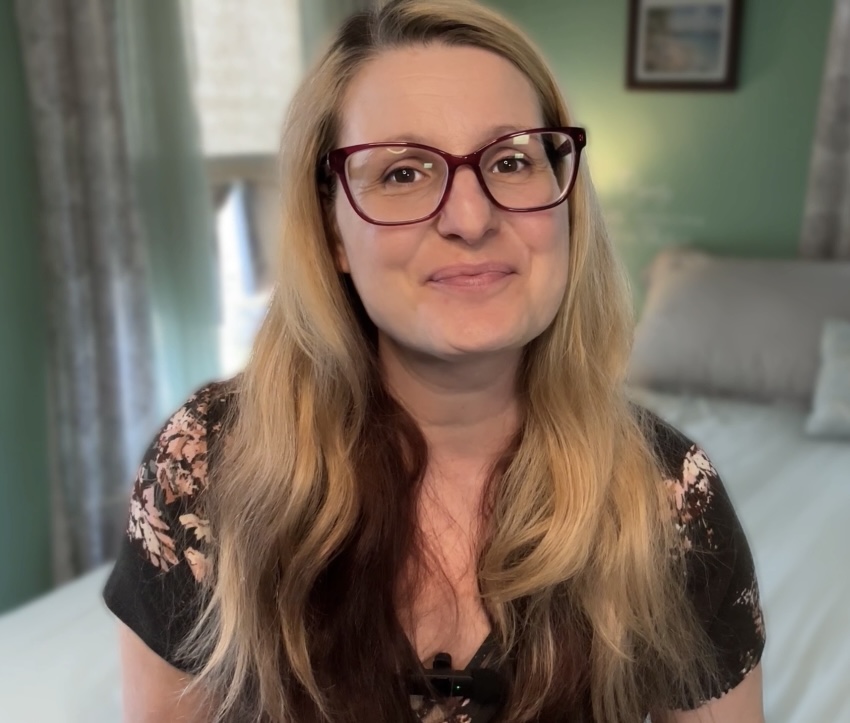
Lori Wesmiller, midlife therapist, thriving in menopause

Let’s take a moment to demystify something half the population will go through, yet many women feel unprepared for: menopause.

Whether you’re feeling off lately, starting to track irregular cycles, or deep in hot flash territory—this post is for you. Menopause is a powerful and natural transition, not a disease or weakness. And the more we understand it, the more we can support our bodies with compassion, confidence, and care.


🌸 What Is Menopause?

Menopause is the biological process that marks the end of your menstrual cycles. It’s officially diagnosed after 12 consecutive months without a period, typically occurring between the ages of 45 and 55.

But it doesn’t happen overnight—there’s a build-up stage known as perimenopause, which can begin years earlier and bring its own set of symptoms.


👩‍🦳 Who Does It Affect?

  • All women assigned female at birth who reach midlife
  • Typically begins between ages 45–55, but can happen earlier or later
  • Early menopause may be triggered by:
    • Surgery (hysterectomy or oophorectomy)
    • Cancer treatments (chemo/radiation)
    • Genetics or autoimmune conditions

And let’s be clear: menopause affects more than just your period. It can impact your entire body and emotional well-being.


🩺 What Are the Symptoms?

According to the North American Menopause Society (NAMS), declining estrogen and hormone shifts can cause a wide range of symptoms, including:

Physical Symptoms:

  • Hot flashes and night sweats
  • Irregular or missed periods
  • Vaginal dryness or discomfort
  • Sleep disturbances
  • Weight gain, especially around the midsection
  • Thinning hair or dry skin
  • Digestive changes (bloating, constipation)

Mental & Emotional Symptoms:

  • Mood swings, irritability
  • Anxiety or depression
  • Brain fog and forgetfulness
  • Low libido
  • Fatigue and lack of motivation

Every woman’s experience is unique—some have few symptoms, while others feel like they’re living in someone else’s body.


🌿 Natural Remedies & Lifestyle Support

Before jumping to medications, many women explore natural approaches to ease their symptoms. These won’t “cure” menopause (it’s a natural stage!), but they can support hormone balance and overall wellness.

✅ Diet & Nutrition

  • Protein supports lean muscle and energy
  • Fiber aids digestion and estrogen detox
  • Healthy fats (avocados, nuts, olive oil) support hormone production
  • Limit sugar, caffeine, and alcohol to reduce inflammation and sleep issues
  • Stay hydrated!

✅ Movement

  • Strength training helps with bone density and metabolism
  • Walking or light cardio improves mood and cardiovascular health
  • Yoga or stretching eases stress and supports pelvic floor health

✅ Sleep & Stress

  • Create a calming bedtime routine
  • Try magnesium, chamomile, or lavender for sleep support
  • Practice mindfulness, journaling, or deep breathing daily

✅ Herbal Support (check with your doctor first):

  • Black cohosh (hot flash support)
  • Maca root (energy & libido)
  • Ashwagandha (stress & cortisol support)
  • Evening primrose oil (hormonal balance)

Check out more natural tips in the Precision Nutrition Menopause Guide.


💊 Medical Interventions That Can Help

If symptoms are severely affecting your quality of life, there is no shame in seeking medical support. Every woman deserves to feel good.

Options Include:

Hormone Replacement Therapy (HRT)

  • Replaces estrogen and/or progesterone
  • Can relieve hot flashes, sleep issues, vaginal dryness, and mood shifts
  • Best when started under age 60 or within 10 years of menopause
  • Discuss risks/benefits with a menopause-informed doctor
    (More from Mayo Clinic)

Non-Hormonal Medications

  • SSRIs (for mood and hot flashes)
  • Vaginal estrogen creams or moisturizers
  • Sleep aids (as needed)

Pelvic Floor Therapy

  • For urinary issues or intimacy discomfort

Final Thoughts: You’re Not Alone, and You’re Not Broken

Menopause is not an ending—it’s an evolution. It’s a time to tune in, care deeply for yourself, and reconnect with your strength. Whether you choose natural approaches, medical help, or a mix of both—you are in charge of your wellness journey.

Here at Balance & Bloom 50+, I’m walking this path right alongside you. Together, we can thrive through this transition with grace, grit, and maybe even a little sparkle. ✨


📥 Want support every step of the way?

Packed with daily tips to help you feel better naturally.


🧠 Further Reading:

Embracing Menopause: A Guide to Thriving Through Life’s Changes

By Lori Wesmiller, Balance & Bloom 50+

A diverse group of women celebrating the strength and beauty of aging together.

Let’s be honest—perimenopause, menopause, and post-menopause are not just phases to “get through.” These transitions are powerful seasons of life. How we care for our bodies during them matters more than ever. If you’ve felt like your body is shifting beneath your feet—emotionally, physically, even spiritually—you’re not alone. And more importantly, you’re not powerless.

In fact, this is the perfect time to reconnect with your body in a whole new way.


🌙 Why It Matters

Hormonal changes during these stages impact everything: sleep, digestion, mood, memory, weight, skin, and even our sense of self. According to the North American Menopause Society (NAMS), as estrogen and progesterone fluctuate and decline, they influence:

  • Bone density and muscle mass
  • Mental clarity and mood
  • Skin elasticity and hydration
  • Gut and heart health
  • Energy levels and metabolism

If you feel like your body is no longer behaving the way it used to—there’s a reason for that. These shifts aren’t your fault, and they’re not a failure. They’re your body’s way of recalibrating, and they deserve attention and care.


How Perimenopause, Menopause & Post-Menopause Can Feel

You may experience a mix of physical and emotional symptoms, including:

  • Brain fog, forgetfulness, or trouble concentrating
  • Hot flashes, night sweats, and disrupted sleep
  • Digestive changes like bloating or constipation
  • Unexplained weight gain, especially around the midsection
  • Mood swings, anxiety, or irritability
  • Dry skin, thinning hair, or changes in body composition
  • Fatigue, even after rest

Perimenopause typically begins in your 40s and can last several years before your final period. Menopause is confirmed after 12 months without a period, and post-menopause continues for the rest of your life. Cleveland Clinic notes that while symptoms vary greatly, support and intentional care can dramatically improve quality of life.


🌱 Tips for Feeling Better in Your Body (and Mind)

1. Eat to Nourish, Not Restrict

Focus on foods that stabilize blood sugar and reduce inflammation:

  • Protein-rich meals (20–30g per meal) to preserve muscle
  • High-fiber foods (vegetables, chia seeds, lentils, flax) to support digestion and estrogen clearance
  • Omega-3 fats from fish, walnuts, and flax for mood and joint support
  • Anti-inflammatory spices like turmeric and ginger

More ideas: Precision Nutrition’s Guide to Menopause & Nutrition


2. Move with Purpose and Pleasure

Exercise helps ease anxiety, boost mood, and maintain bone and muscle strength. Harvard Health recommends:

  • Strength training 2–3x a week
  • Walking, swimming, or dancing for heart health
  • Yoga or Pilates for balance, flexibility, and pelvic health

Even 15 minutes a day makes a difference—and finding movement you enjoy is key to consistency.


3. Support Your Sleep Like a Ritual

Sleep disruptions are common, but they’re not something to ignore. Try:

  • Keeping your room cool and dark (night sweats are real!)
  • Using magnesium or melatonin with your doctor’s okay
  • Avoiding screens 1 hour before bed
  • Creating a calming wind-down routine

More tips here from the National Institute on Aging.


4. Balance Stress Hormones (Especially Cortisol)

Perimenopause makes your body more sensitive to stress. Chronic cortisol can worsen belly fat, sleep problems, and even hot flashes. Combat this by:

  • Taking breaks throughout your day to breathe
  • Journaling or meditating for 5–10 minutes
  • Practicing saying “no” and setting boundaries
  • Spending time in nature or doing something just for you

5. Care for Your Gut = Care for Your Hormones

Your gut helps clear excess estrogen and regulates mood via the gut-brain axis. A happy gut supports a balanced mind.

  • Add fermented foods like sauerkraut, kimchi, kefir (or non-dairy alternatives)
  • Eat a variety of plant-based fibers
  • Consider a probiotic supplement if needed

More on this from Dr. Mary Claire Haver and the Galveston Diet


6. Know When to Seek Support

If your symptoms are affecting your daily life, don’t tough it out alone. You may benefit from:

  • Speaking to a menopause-informed doctor
  • Exploring hormone therapy (HRT), non-hormonal options, or supplements
  • Joining a support group or community of women going through the same thing
  • Reading empowering resources like The Menopause Manifesto by Dr. Jen Gunter

You’re Not Just Surviving—You’re Blooming

Aging isn’t about shrinking or fading away. It’s about stepping into your full wisdom, power, and energy—with care, compassion, and strength. These years can be some of the most connected and vibrant of your life—especially when you support your body in all the ways it asks for.

Let’s shift the narrative. This isn’t about fighting aging—it’s about embracing you.


📋 Free Resource: Menopause Wellness Checklist

Want a simple daily guide to help you feel more grounded, healthy, and strong?

It’s perfect for your fridge, journal, or as a reminder to care for yourself like the queen you are.

“You are not too old, and it is not too late.”
Clarissa Pinkola Estés


🧠 Further Reading & Resources

Dr. Jen Gunter – The Menopause Manifesto

North American Menopause Society – Research, lifestyle tips, and support

Cleveland Clinic – Menopause – Medical overview and treatment options

National Institute on Aging – Menopause – Hormone changes and symptom info

Harvard Health – Menopause & Your Health

Precision Nutrition – Menopause Nutrition Guide

Galveston Diet – Dr. Mary Claire Haver