When You’re Functioning but Feel Flat: Understanding Midlife Depression

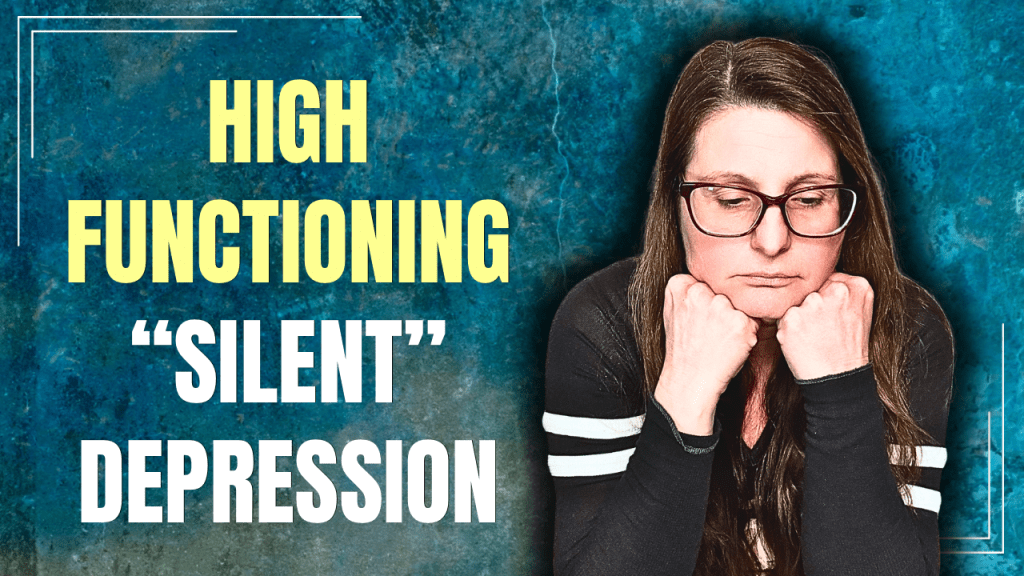
Woman looking down thoughtfully with text reading “High Functioning Silent Depression” on a teal background, representing midlife depression that isn’t outwardly visible.
Midlife depression isn’t always loud

Not all depression looks dramatic.

It doesn’t always look like staying in bed.

It doesn’t always look like tears.

It doesn’t always look like crisis.

In midlife, depression often looks functional.

You’re showing up.

You’re working.

You’re parenting.

You’re caregiving.

You’re answering messages.

You’re keeping appointments.

You’re getting things done.

From the outside, you look “fine.”

But internally?

You feel flat.

Disconnected.

Less motivated.

Less alive.

And because you’re still functioning, it’s easy to dismiss what you’re feeling.

When “I’m Fine” Doesn’t Feel True

Many women in their 40s and 50s experience a subtle emotional shift that doesn’t fit the stereotype of depression.

It may feel like:

Emotional dullness instead of sadness Chronic depletion instead of overwhelm Irritability instead of despair Brain fog instead of hopelessness Withdrawal instead of collapse

You may tell yourself:

“I’m just tired.”

“It’s just hormones.”

“I’m burned out.”

“This is just midlife.”

And sometimes those things are part of the picture.

But sometimes it’s more layered than that.

Why High-Functioning Depression Gets Missed in Midlife

Midlife mental health is complex.

Hormones shift.

Sleep changes.

Stress accumulates.

Parents age.

Children grow up.

Careers peak or plateau.

Identity evolves.

When depression shows up during this season, it blends in.

It can be misdiagnosed as:

Perimenopause Burnout Stress overload Personality changes “Just being overwhelmed”

And while those experiences are real, they don’t fully explain the emotional flatness some women feel.

High-functioning depression often hides behind productivity.

You’re still doing everything.

You just don’t feel connected to any of it.

The Difference Between Depletion and Laziness

One of the most damaging narratives women internalize in midlife is this:

“I should be able to handle this.”

When motivation drops…

When joy feels distant…

When everything feels like effort…

It’s easy to interpret that as laziness or lack of discipline.

But depletion is not laziness.

Depletion is what happens when your nervous system has been in output mode for years — sometimes decades — without true restoration.

Depression in midlife doesn’t always scream.

Sometimes it whispers.

And whispers are easy to ignore.

What Midlife Depression Is Not

It is not weakness.

It is not failure.

It is not ingratitude.

It is not a character flaw.

It is not “being dramatic.”

It is often a signal.

A signal that something internally needs attention.

A signal that your emotional world deserves care — not dismissal.

The Layered Reality of Mental Health After 40

Mental health in midlife is rarely one-dimensional.

It can involve:

Hormonal shifts Neurobiological changes Long-term stress patterns Unprocessed grief Identity transitions Emotional burnout Life-stage reevaluation

When these layers quietly stack over time, emotional numbness can become the default.

You might not feel deeply sad.

You might just feel less.

And “less” can be hard to recognize.

If Something Feels Off

If you’ve been thinking:

“I’m fine… but something feels off.”

Pay attention to that.

You don’t need to be in crisis to deserve support.

You don’t need to be falling apart to take your mental health seriously.

You don’t need a dramatic story to validate your experience.

Sometimes the quiet version is the one that needs the most compassion.

Want to Go Deeper?

I recently recorded a full video breaking down:

What high-functioning depression can look like after 40 Why it blends into hormonal shifts and stress The difference between depletion and laziness What midlife depression is — and what it isn’t Supportive next steps

If this resonated with you, you can watch the full conversation here:

👉 The Quiet Version of Midlife Depression No One Talks About

You are not imagining it.

You are not failing.

And you are not alone in this.

— Lori Wesmiller

Balance & Bloom
Menopause Guide: Navigating Changes with Confidence

By Lori Wesmiller | Balance & Bloom 50+

Lori Wesmiller, midlife therapist, thriving in menopause

Let’s take a moment to demystify something half the population will go through, yet many women feel unprepared for: menopause.

Whether you’re feeling off lately, starting to track irregular cycles, or deep in hot flash territory—this post is for you. Menopause is a powerful and natural transition, not a disease or weakness. And the more we understand it, the more we can support our bodies with compassion, confidence, and care.


🌸 What Is Menopause?

Menopause is the biological process that marks the end of your menstrual cycles. It’s officially diagnosed after 12 consecutive months without a period, typically occurring between the ages of 45 and 55.

But it doesn’t happen overnight—there’s a build-up stage known as perimenopause, which can begin years earlier and bring its own set of symptoms.


👩‍🦳 Who Does It Affect?

  • All women assigned female at birth who reach midlife
  • Typically begins between ages 45–55, but can happen earlier or later
  • Early menopause may be triggered by:
    • Surgery (hysterectomy or oophorectomy)
    • Cancer treatments (chemo/radiation)
    • Genetics or autoimmune conditions

And let’s be clear: menopause affects more than just your period. It can impact your entire body and emotional well-being.


🩺 What Are the Symptoms?

According to the North American Menopause Society (NAMS), declining estrogen and hormone shifts can cause a wide range of symptoms, including:

Physical Symptoms:

  • Hot flashes and night sweats
  • Irregular or missed periods
  • Vaginal dryness or discomfort
  • Sleep disturbances
  • Weight gain, especially around the midsection
  • Thinning hair or dry skin
  • Digestive changes (bloating, constipation)

Mental & Emotional Symptoms:

  • Mood swings, irritability
  • Anxiety or depression
  • Brain fog and forgetfulness
  • Low libido
  • Fatigue and lack of motivation

Every woman’s experience is unique—some have few symptoms, while others feel like they’re living in someone else’s body.


🌿 Natural Remedies & Lifestyle Support

Before jumping to medications, many women explore natural approaches to ease their symptoms. These won’t “cure” menopause (it’s a natural stage!), but they can support hormone balance and overall wellness.

✅ Diet & Nutrition

  • Protein supports lean muscle and energy
  • Fiber aids digestion and estrogen detox
  • Healthy fats (avocados, nuts, olive oil) support hormone production
  • Limit sugar, caffeine, and alcohol to reduce inflammation and sleep issues
  • Stay hydrated!

✅ Movement

  • Strength training helps with bone density and metabolism
  • Walking or light cardio improves mood and cardiovascular health
  • Yoga or stretching eases stress and supports pelvic floor health

✅ Sleep & Stress

  • Create a calming bedtime routine
  • Try magnesium, chamomile, or lavender for sleep support
  • Practice mindfulness, journaling, or deep breathing daily

✅ Herbal Support (check with your doctor first):

  • Black cohosh (hot flash support)
  • Maca root (energy & libido)
  • Ashwagandha (stress & cortisol support)
  • Evening primrose oil (hormonal balance)

Check out more natural tips in the Precision Nutrition Menopause Guide.


💊 Medical Interventions That Can Help

If symptoms are severely affecting your quality of life, there is no shame in seeking medical support. Every woman deserves to feel good.

Options Include:

Hormone Replacement Therapy (HRT)

  • Replaces estrogen and/or progesterone
  • Can relieve hot flashes, sleep issues, vaginal dryness, and mood shifts
  • Best when started under age 60 or within 10 years of menopause
  • Discuss risks/benefits with a menopause-informed doctor
    (More from Mayo Clinic)

Non-Hormonal Medications

  • SSRIs (for mood and hot flashes)
  • Vaginal estrogen creams or moisturizers
  • Sleep aids (as needed)

Pelvic Floor Therapy

  • For urinary issues or intimacy discomfort

Final Thoughts: You’re Not Alone, and You’re Not Broken

Menopause is not an ending—it’s an evolution. It’s a time to tune in, care deeply for yourself, and reconnect with your strength. Whether you choose natural approaches, medical help, or a mix of both—you are in charge of your wellness journey.

Here at Balance & Bloom 50+, I’m walking this path right alongside you. Together, we can thrive through this transition with grace, grit, and maybe even a little sparkle. ✨


📥 Want support every step of the way?

Packed with daily tips to help you feel better naturally.


🧠 Further Reading: