Keto for Your Brain? How the Medical Keto Diet May Support Mental Health in Menopause

By Lori Wesmiller, Mental Health Therapist & Founder of Balance & Bloom 50+
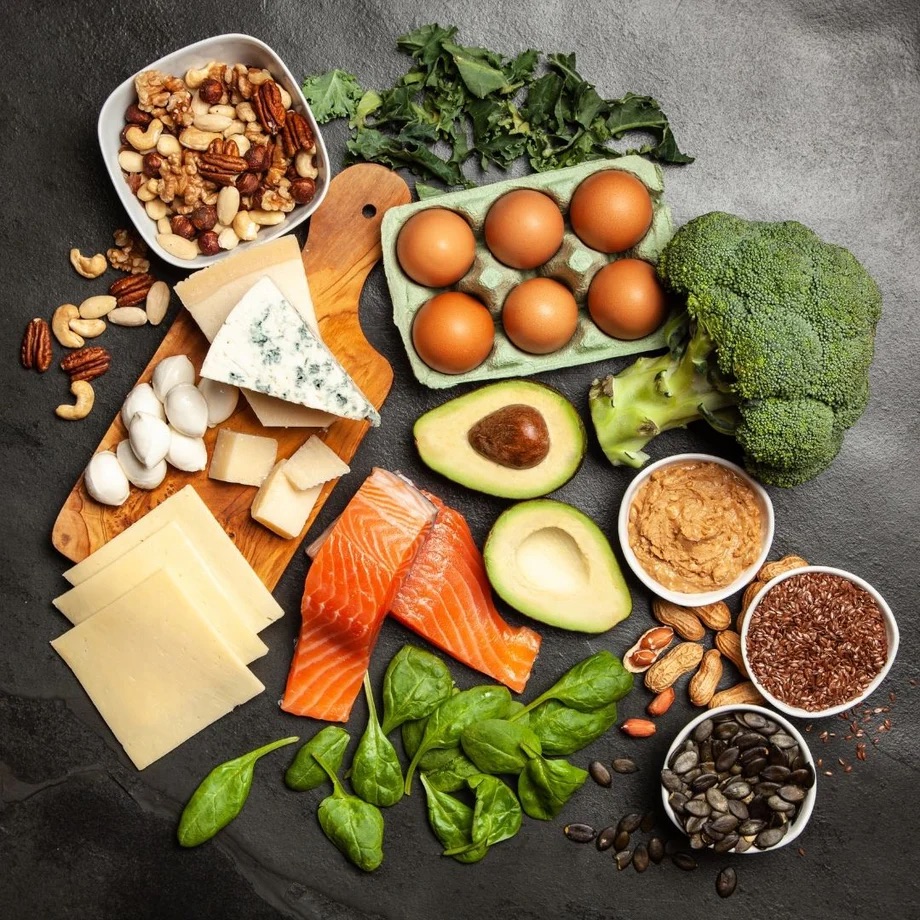
Healthy foods for the ketogenic diet

Let’s start with a surprising question

What if your anxiety, brain fog, and emotional ups and downs in menopause weren’t just about hormones… but also about how your brain is being fueled?

The medical ketogenic diet—a therapeutic, doctor-supervised version of the popular keto trend—is gaining attention not just for weight loss, but for its powerful effects on brain health and mental well-being. Especially in midlife women.

In this post, we’ll explore what the medical keto diet actually is, how it works, and why it may help stabilize mood, reduce inflammation, and support cognitive health during menopause.

What If You’ve Been Fueling Your Brain the Wrong Way?

When I first heard that some doctors were prescribing fat as medicine for the brain, I did a double take.

As a therapist and a midlife woman going through the rollercoaster of menopause, I’ve spent years learning about how food affects mood. But what I discovered about the medical ketogenic diet went far beyond the usual clean eating advice. This isn’t about weight loss or counting macros—this is about how your brain gets its fuel.

And if you’re dealing with brain fog, mood swings, anxiety, or mental exhaustion in midlife, it’s a conversation worth having.

midlife woman discussing menopause options with her doctor

What Is the Medical Ketogenic Diet?

Let’s separate fact from fad.

The medical ketogenic diet is a therapeutic, high-fat, very low-carb diet originally developed in the 1920s to treat epilepsy. Unlike trendy versions of keto focused on weight loss, the medical approach is often clinically supervised, especially when used for neurological or psychiatric conditions.

Here’s how it works:

When you cut carbohydrates significantly, your body switches from burning glucose to burning fat. This metabolic shift produces ketones, an alternate fuel source—especially powerful for the brain.

Researchers are now exploring how ketones can impact serious conditions like:

Bipolar disorder Major depressive disorder PTSD Alzheimer’s disease Perimenopausal mood instability

And the results are promising.

The Brain on Ketones: Why It Matters

Your brain typically runs on glucose, but it can thrive on ketones—especially when its regular fuel system becomes less efficient (like in aging or menopause). Here’s what ketones may do:

🧠 Reduce neuroinflammation

🧠 Balance neurotransmitters like GABA and glutamate

🧠 Enhance mitochondrial function (energy production at the cellular level)

🧠 Protect neurons from oxidative stress and degeneration

🧠 Stabilize mood by smoothing out energy crashes

In a 2025 Stanford study, individuals with severe, treatment-resistant mental illness saw significant symptom improvement on a medically supervised keto protocol. Other research supports benefits in reducing symptoms of anxiety and depression—especially when blood sugar, insulin resistance, and inflammation are involved.

Midlife, Menopause & Mental Health: The Connection

Midlife woman thinking about menopause

So where does menopause come in?

During perimenopause and menopause, estrogen levels decline, and with that drop comes a ripple effect across your brain. Estrogen helps regulate neurotransmitters, blood sugar, inflammation, and even how your brain metabolizes energy. That’s why many women report symptoms like:

Brain fog Forgetfulness Anxiety or panic Mood swings Depression Motivation loss

Add in poor sleep, cortisol spikes, and hormone chaos, and it’s no wonder your mental health takes a hit.

Medical keto may provide a steady, efficient energy source for the brain when estrogen is no longer buffering the system. It’s not a cure-all—but it’s a tool worth understanding.

But Is It Safe? And Is It for You?

This isn’t about going full bacon-and-butter overnight.

The medical ketogenic diet should be explored with a provider—especially if you have thyroid issues, adrenal concerns, or take medications for mood or blood pressure. Nutrient deficiencies, electrolyte imbalances, and fatigue can happen without guidance.

Questions to explore with your provider:

Do I have signs of insulin resistance or metabolic dysfunction? Have I experienced mood instability or anxiety since entering perimenopause? Do I respond poorly to blood sugar fluctuations or caffeine crashes? Am I already on a high-carb diet and noticing energy crashes or mental fog?

A skilled dietitian or integrative provider can help personalize the approach—because keto is not about extremes. It’s about fueling your brain in a way that supports mental resilience.

The Takeaway: It’s About Options

If you’re in midlife and feel like your brain is stuck in molasses… or like your mood isn’t matching your mindset, keto might be worth exploring—not as a diet, but as a metabolic therapy.

Want More Support?

If you’re in midlife and feeling overwhelmed by mental changes, hormonal chaos, or just off, you’re not alone. I’ve been there too.

🎥 Watch my YouTube video:

▶️ Keto Isn’t Just for Weight Loss—It’s for Your Mental Health Too!

Learn how the Ketogenic diet can alleviate mental health symptoms from anxiety, depression, schizophrenia and more!

💛 Free Therapist-Created Guides to Help You Feel Like Yourself Again

🧠 Feeling more anxious than usual in your 40s or 50s?
You’re not alone. Midlife anxiety is real—and manageable.
Download the free guide:
Midlife Anxiety—Understanding, Calming & Reclaiming Peace
👉 Download here

🌸 Want clarity around your hormones, HRT, and how to feel better in your body?
Get the free guide:
Hormone Harmony—What Every Woman Needs to Know
👉 Download here

You’re not too late. You’re just getting started.

Let’s rewrite the midlife story—one hormone, one habit, one healing moment at a time. 💚

💡RESOURCES & RESEARCH

Here are the studies and articles referenced in this blog post:

Stanford University (2025) – Keto diet therapy shows promise in serious mental illness https://news.stanford.edu/stories/2025/04/keto-diet-therapy-mental-illness-research Nature (2020) – Ketogenic diet effects on mood and brain function https://www.nature.com/articles/s41598-020-80727-x.pdf Medical News Today (2023) – Keto diet improves mental health and metabolic symptoms https://www.medicalnewstoday.com/articles/a-keto-diet-may-help-improve-severe-mental-health-metabolic-symptoms The Journal of Clinical Psychiatry – Keto diet for bipolar disorder https://www.psychiatrist.com/news/ketogenic-diet-shows-promise-for-bipolar-disorder/ The Journal of Clinical Psychiatry – Can keto help treat mental illness? https://www.psychiatrist.com/news/can-physical-changes-like-a-keto-diet-help-mental-illness/ NIH / PMC (2024) – Keto’s role in PTSD, anxiety, and neuroinflammation https://www.ncbi.nlm.nih.gov/pmc/articles/PMC11182043/ Frontiers in Nutrition (2025) – Ketogenic diet as adjunctive therapy in psychiatry https://www.frontiersin.org/journals/nutrition/articles/10.3389/fnut.2025.1506304/full

Panic Attacks in Midlife: What’s Going On and How to Find Relief

Midlife panic attack
Midlife woman having a panic attack at home

Ever had one of those moments where everything feels fine—until suddenly, it doesn’t?

You’re going about your day — maybe working, grocery shopping, or getting ready for bed — when suddenly your heart races, your chest tightens, and a wave of dread crashes over you. You feel like something is terribly wrong. Are you having a heart attack? Are you losing control?

It might actually be a panic attack — and if you’re in midlife, you’re not alone.

🌀 What Is a Panic Attack?

A panic attack is a sudden surge of intense fear or discomfort that comes on quickly — often with no clear trigger. It can cause physical symptoms like:

  • Rapid heartbeat
  • Shortness of breath
  • Chest pain
  • Dizziness or lightheadedness
  • Nausea
  • Sweating or chills
  • Numbness or tingling
  • A sense of detachment or feeling like you’re “going crazy”

These episodes can be terrifying, but they’re not life-threatening — even though they may feel like it in the moment.

Woman in her 40s having a midlife moment of panic and anxiety

Woman in her 40s having a midlife moment of panic and anxiety

🔍 Why Do Panic Attacks Happen?

Panic attacks are the body’s fight-or-flight system misfiring. Your brain perceives a threat — even if it’s not real — and floods your system with stress hormones like adrenaline. This causes the intense physical symptoms we associate with panic.

Triggers can include:

  • High levels of ongoing stress
  • Major life transitions
  • Trauma or unresolved anxiety
  • Hormonal shifts (yes, we’ll get to that!)
  • Sleep deprivation
  • Caffeine or certain medications

🌡️ Why Are Panic Attacks More Common in Midlife?

In midlife, your body and brain are navigating a lot behind the scenes:

  • Hormonal changes during perimenopause and menopause can disrupt your nervous system and make you more sensitive to stress. Drops in estrogen and progesterone can increase anxiety, affect mood regulation, and throw off sleep — all of which raise the risk of panic attacks.
  • Life pressures — like aging parents, teens, career burnout, or relationship shifts — can pile on emotional stress.
  • Physical health changes, thyroid imbalances, or vitamin deficiencies can mimic or intensify panic symptoms.

So if you’re in your 40s or 50s and suddenly struggling with anxiety or panic, you’re not broken — your body is just asking for more support.

40 year old woman having anxiety on a bench

🧘‍♀️ How to Calm a Panic Attack Quickly

The good news? There are things you can do in the moment to help stop a panic attack in its tracks:

1. Ground yourself

Look around and name 5 things you see, 4 you can touch, 3 you can hear, 2 you can smell, and 1 you can taste. This 5-4-3-2-1 technique helps anchor you to the present.

2. Breathe with intention

Try this: Inhale slowly for 4 counts, hold for 4, exhale for 6. Repeat a few rounds. Slowing your exhale tells your nervous system it’s safe to calm down.

3. Use a calming statement

Say to yourself: “This is just a panic attack. It will pass. I am safe.” Even if it doesn’t feel true right away, this affirmation disrupts fear loops in the brain.

4. Change your environment

If you can, step outside, splash cold water on your face, or hold something with texture (like an ice cube or smooth stone). Engaging the senses can interrupt the panic cycle.

🌿 Long-Term Support for Midlife Anxiety

Panic attacks are a signal — not a flaw. Supporting your nervous system consistently can help reduce their frequency:

  • Sleep is non-negotiable. Prioritize deep rest whenever possible.
  • Exercise (even gentle walks or stretching) burns off stress hormones.
  • Balanced nutrition stabilizes blood sugar and mood.
  • Therapy or support groups can help you process what’s beneath the surface.
  • Consider hormonal support — talk to your doctor about HRT or alternatives if you suspect your symptoms are connected to perimenopause or menopause.
Doctor offering hormonal support for midlife health

💛 Final Thoughts

If you’ve been struggling with panic attacks in midlife, please know: you’re not alone, and you’re not “too emotional,” “too sensitive,” or “too much.”

Your body is trying to keep you safe — it just needs a little help remembering that you already are.

You deserve peace, clarity, and support in this season of life. And you’re not crazy — you’re going through something very real.

Hormone Replacement Therapy (HRT) & Why I Chose to Start

After struggling with menopause symptoms, the author turned to hormone replacement therapy (HRT) for support. Working with a menopause specialist, she developed a personalized plan including progesterone and estrogen to address sleep, mood, and energy issues. She emphasizes that HRT can complement natural wellness and encourages others to consider it.

by Lori Wesmiller, MS – Balance & Bloom 50+

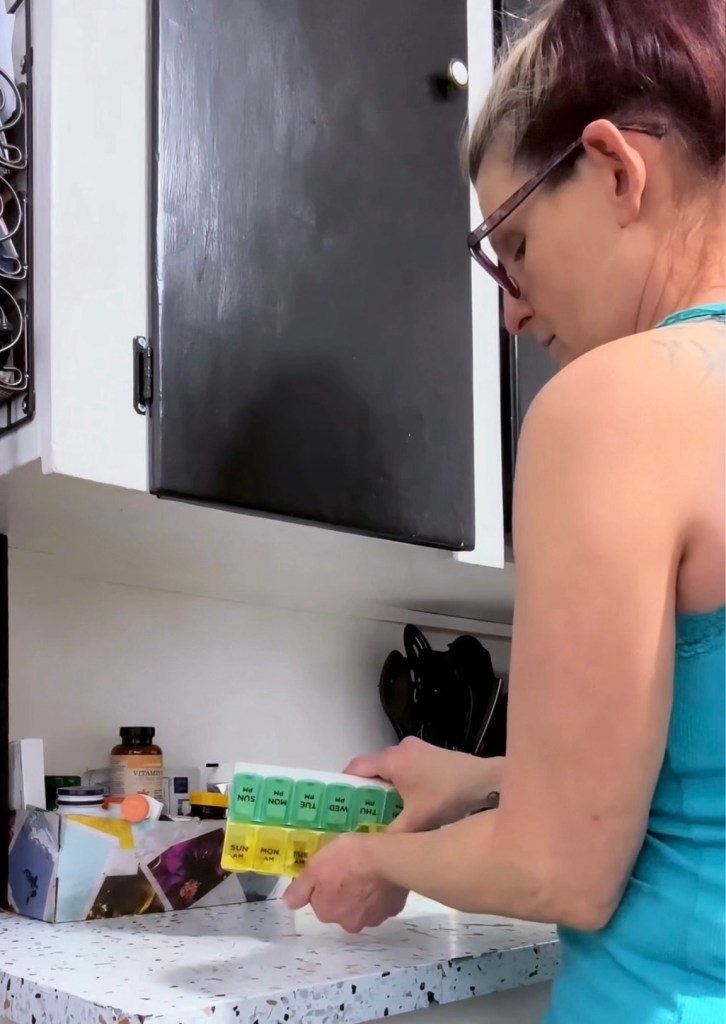
Organizing medication for hormone therapy management at home.

I’m all about tuning in to what your body needs in each season of life—and after trying so many natural strategies to manage my menopause symptoms, I reached a point where I felt like I needed more support.

I wasn’t sleeping well. My motivation had dipped. My joints were achy, and I had this nagging sense that I was pushing through each day, rather than living it.

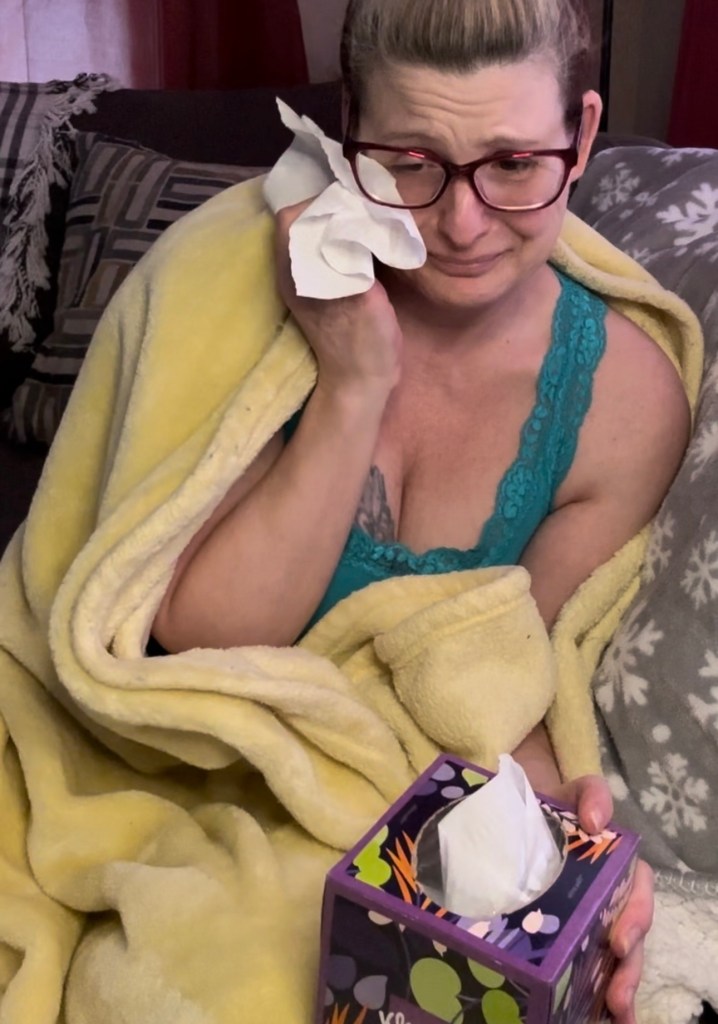
Lori wrapped in a yellow blanket, holding a tissue to her eye, expressing emotion.

Thankfully, my OB-GYN is a menopause specialist, and she really listened. We reviewed my symptoms, medical history, and lab results together. From there, she created a customized HRT plan tailored to my body’s needs and sensitivities.

We decided to begin with one 200mg progesterone capsule taken in the evening. Even though I had a hysterectomy back in 2012 and technically don’t need progesterone to protect the uterus, my doctor included it for other benefits. Specifically, it supports better sleep, eases anxiety, and helps stabilize mood swings.

Micronised progesterone soft gelatin capsules (200 mg) used in hormone replacement therapy.

Micronised progesterone soft gelatin capsules (200 mg) used in hormone replacement therapy.

After two weeks on progesterone alone, I started using a 0.0375mg estrogen patch, which I’ll change twice a week. This low-dose patch helps support energy, cognitive clarity, temperature regulation, and joint comfort, among other things.

Estradiol Transdermal Patch
Estradiol 0.0375mg Estrogen Transdermal Patch for HRT

This wasn’t an overnight decision—it was thoughtful, researched, and guided by a specialist. And I want other women to know: exploring HRT doesn’t mean you’re “giving up” on natural wellness. For many of us, it’s part of the picture of balanced, thriving health.

Disclaimer: Always consult your healthcare provider before starting any hormone therapy regimen—whether medicinal or natural. HRT is not one-size-fits-all. A trained provider can help you make the most informed and safe choice based on your unique health history and symptoms.

I’ll be keeping you updated on how this HRT journey unfolds, both here and over on my socials. If you have any questions about my path so far or are just curious about what it’s really like to start HRT, I’m always happy to share more. You’re not alone in this season—we’re blooming through it together.

Are you taking HRT for perimenopause or menopause symptoms? If so, what has your experience been?

Happy blooming beauties!

10 Self-Care Tips Every Woman Needs During Menopause

By Lori Wesmiller, MS – Balance & Bloom 50+

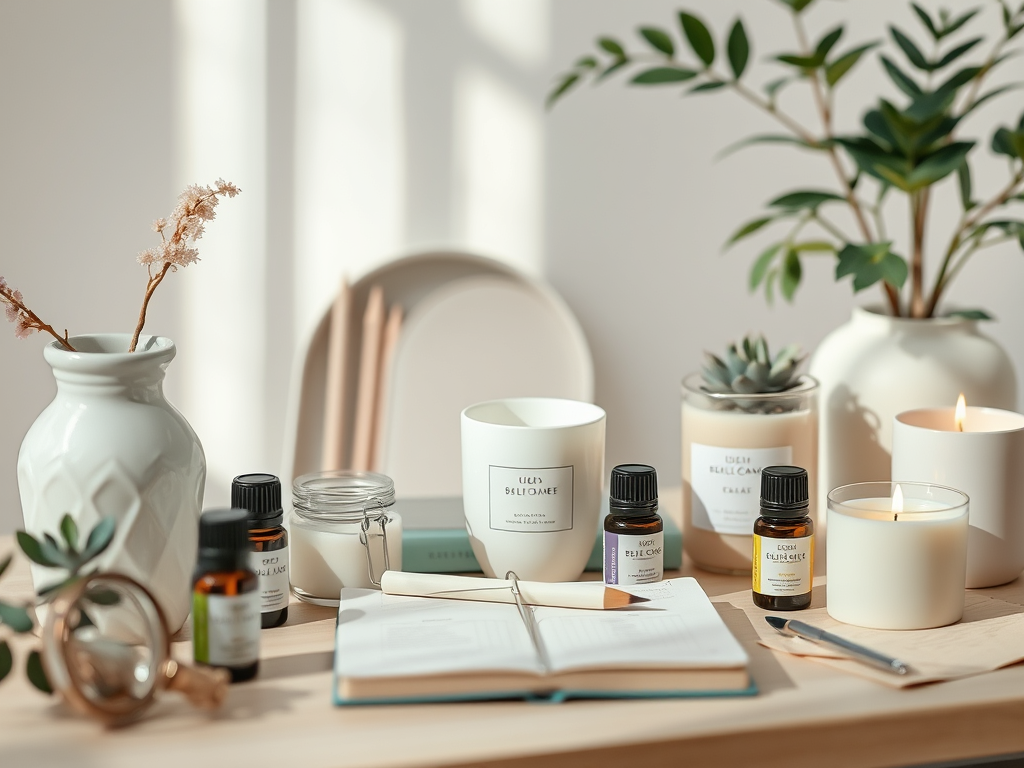
A calming self-care setup featuring essential oils, plants, and soothing candles, perfect for promoting relaxation during menopause.

Menopause isn’t just about hot flashes and hormone shifts—it’s a major life transition that impacts your body, mind, emotions, and identity. It can feel like everything is changing… because it is. And that’s why self-care during this time isn’t just helpful—it’s essential.

Here are 10 gentle, powerful ways to care for yourself during menopause and post-menopause so you can not just survive, but truly thrive.

1. Prioritize Sleep Like It’s Sacred

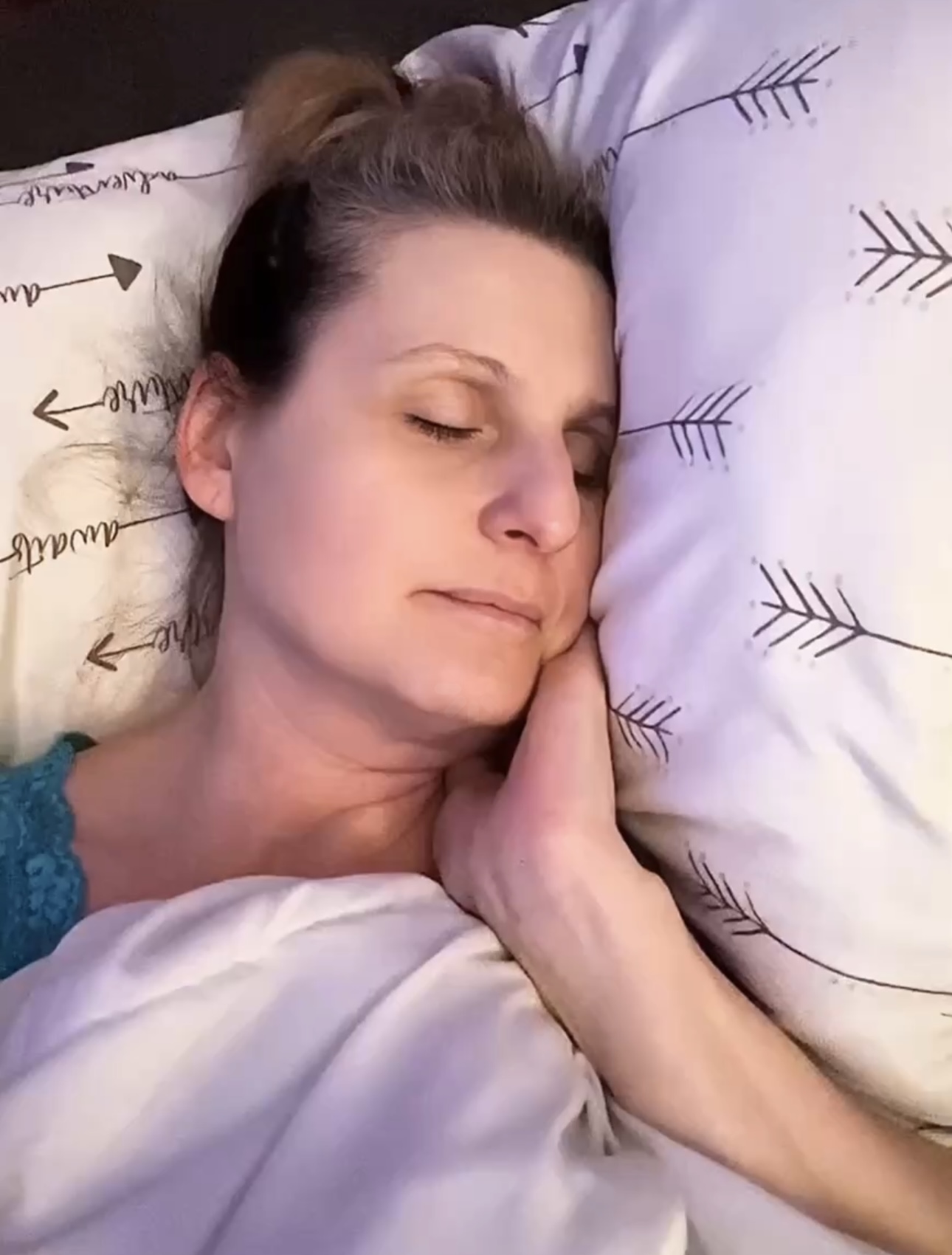
Woman peacefully sleeping in bed, representing the importance of rest and sleep during menopause

Sleep becomes trickier during menopause (hello night sweats and 3am anxiety), but it’s foundational for everything—your mood, metabolism, and mental clarity.

Tip: Create a calming wind-down ritual: no screens, cool room, magnesium or herbal tea, and consistent sleep/wake times.

2. Move Daily—Even If It’s Just 10 Minutes

You don’t need hour-long workouts to feel good. Gentle, consistent movement improves mood, supports hormone balance, and reduces joint pain.

Try: Walking, strength training, yoga, or even dancing in your kitchen.

3. Eat for Energy and Hormone Balance

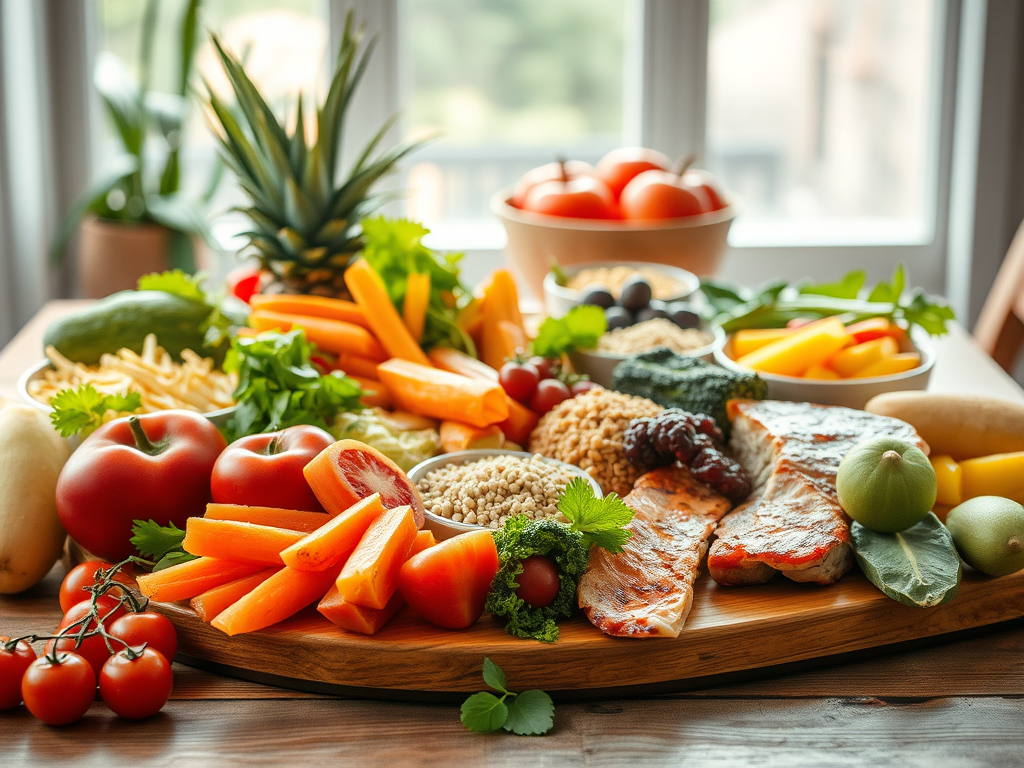
A colorful assortment of wholesome foods, including proteins, fruits, and vegetables, emphasizing the importance of nutrition for energy and hormone balance during menopause.

What you eat matters more than ever. Focus on whole foods that reduce inflammation and support digestion.

Focus on:

• Protein at every meal

• Fiber-rich veggies

• Healthy fats like olive oil, nuts, and seeds

• Plenty of hydration

4. Track Your Symptoms

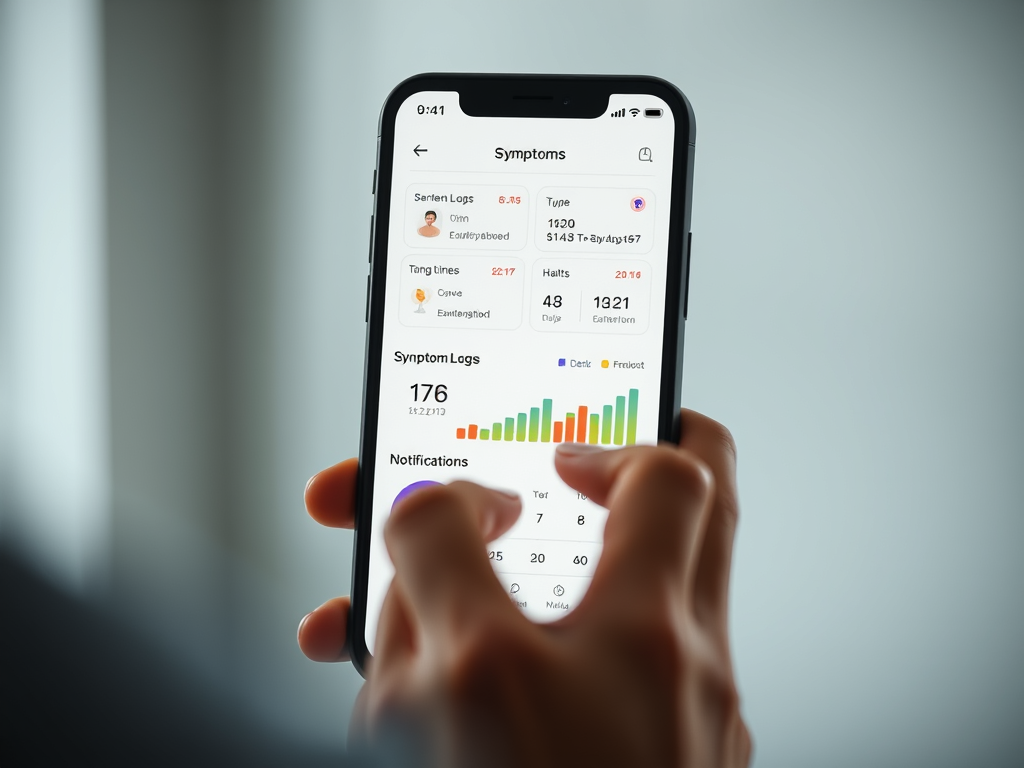
A smartphone displaying a symptom tracking app, highlighting the importance of monitoring menopause-related changes.

Noticing patterns in your sleep, mood, digestion, and energy can help you understand what your body needs.

Bonus: Bring your notes to doctor appointments—it’s empowering to advocate for yourself.

5. Practice Saying ‘No’ Without Guilt

Empowering self-care during menopause: embrace your strength and say ‘no’ without guilt.

Midlife is the perfect time to release people-pleasing. Protect your energy. You don’t need to explain or over-apologize.

Reminder: “No” is a complete sentence.

6. Nourish Your Gut

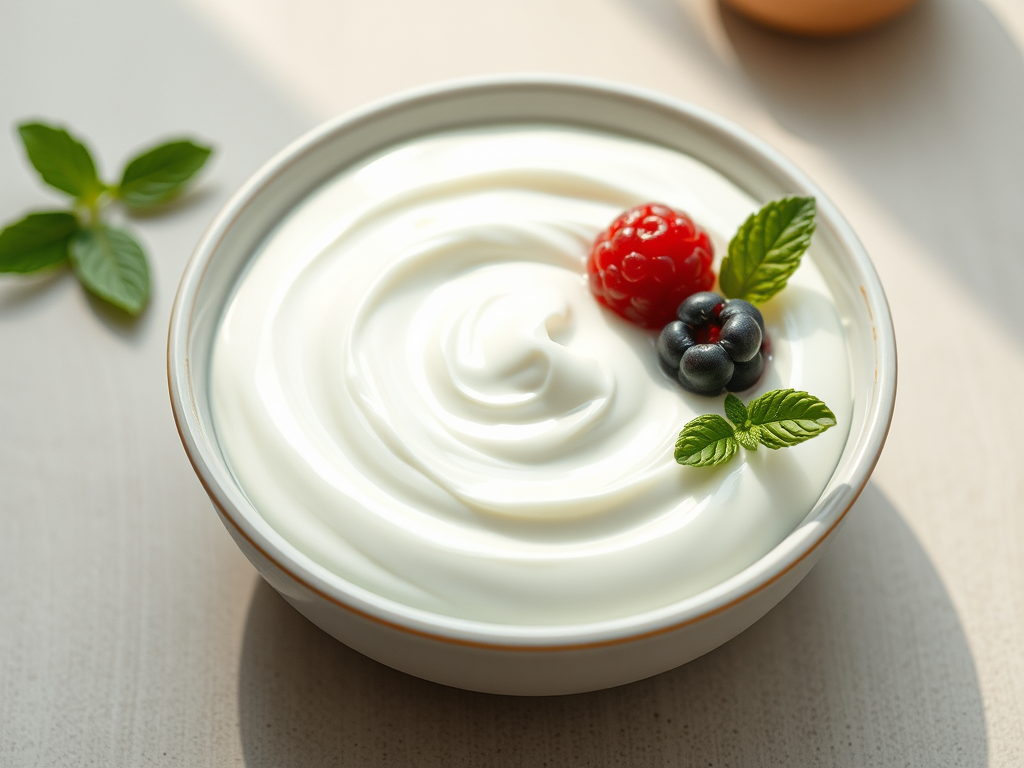
A bowl of yogurt topped with berries and mint, highlighting the importance of gut health during menopause.

Gut health is linked to mood, immunity, and hormone detox. Menopause can slow digestion, so extra care here goes a long way.

Include:

• Probiotic foods (sauerkraut, yogurt, kefir)

• Prebiotic fibers (onions, garlic, asparagus)

• Hydration + gentle movement

7. Check in With Your Emotional Wellness

A cozy workspace with a notebook filled with handwritten notes, a cup of tea, and pens, perfect for reflection and emotional wellness during menopause.

Mood swings, irritability, or sadness are common—but they’re not permanent. Make space for how you feel and don’t hesitate to seek help.

Support Options: Therapy, journaling, breathwork, or community connection

8. Invest in Comfortable Clothing (and Bedding!)

This sounds simple, but it’s life-changing. Soft, breathable fabrics can reduce irritation and support restful sleep.

Favorites: Cotton or bamboo sheets, wireless bras, and flowy layers for temperature shifts.

9. Find Joy Every Day—Big or Small

Laughter, creativity, music, gardening, reading, a good cup of tea—these things matter. Joy isn’t a luxury, it’s fuel.

Try: Scheduling joy into your day just like an appointment.

10. Remind Yourself: You Are Not Broken

Menopause is a natural evolution, not a failure of your body. You are wise, powerful, and still blooming.

Affirmation: “I honor this season and care for myself with love.”

Take care of yourself Blooming Beauties 🌺!

With love,

Lori

Embracing Menopause: A Guide to Thriving Through Life’s Changes

By Lori Wesmiller, Balance & Bloom 50+

A diverse group of women celebrating the strength and beauty of aging together.

Let’s be honest—perimenopause, menopause, and post-menopause are not just phases to “get through.” These transitions are powerful seasons of life. How we care for our bodies during them matters more than ever. If you’ve felt like your body is shifting beneath your feet—emotionally, physically, even spiritually—you’re not alone. And more importantly, you’re not powerless.

In fact, this is the perfect time to reconnect with your body in a whole new way.


🌙 Why It Matters

Hormonal changes during these stages impact everything: sleep, digestion, mood, memory, weight, skin, and even our sense of self. According to the North American Menopause Society (NAMS), as estrogen and progesterone fluctuate and decline, they influence:

  • Bone density and muscle mass
  • Mental clarity and mood
  • Skin elasticity and hydration
  • Gut and heart health
  • Energy levels and metabolism

If you feel like your body is no longer behaving the way it used to—there’s a reason for that. These shifts aren’t your fault, and they’re not a failure. They’re your body’s way of recalibrating, and they deserve attention and care.


How Perimenopause, Menopause & Post-Menopause Can Feel

You may experience a mix of physical and emotional symptoms, including:

  • Brain fog, forgetfulness, or trouble concentrating
  • Hot flashes, night sweats, and disrupted sleep
  • Digestive changes like bloating or constipation
  • Unexplained weight gain, especially around the midsection
  • Mood swings, anxiety, or irritability
  • Dry skin, thinning hair, or changes in body composition
  • Fatigue, even after rest

Perimenopause typically begins in your 40s and can last several years before your final period. Menopause is confirmed after 12 months without a period, and post-menopause continues for the rest of your life. Cleveland Clinic notes that while symptoms vary greatly, support and intentional care can dramatically improve quality of life.


🌱 Tips for Feeling Better in Your Body (and Mind)

1. Eat to Nourish, Not Restrict

Focus on foods that stabilize blood sugar and reduce inflammation:

  • Protein-rich meals (20–30g per meal) to preserve muscle
  • High-fiber foods (vegetables, chia seeds, lentils, flax) to support digestion and estrogen clearance
  • Omega-3 fats from fish, walnuts, and flax for mood and joint support
  • Anti-inflammatory spices like turmeric and ginger

More ideas: Precision Nutrition’s Guide to Menopause & Nutrition


2. Move with Purpose and Pleasure

Exercise helps ease anxiety, boost mood, and maintain bone and muscle strength. Harvard Health recommends:

  • Strength training 2–3x a week
  • Walking, swimming, or dancing for heart health
  • Yoga or Pilates for balance, flexibility, and pelvic health

Even 15 minutes a day makes a difference—and finding movement you enjoy is key to consistency.


3. Support Your Sleep Like a Ritual

Sleep disruptions are common, but they’re not something to ignore. Try:

  • Keeping your room cool and dark (night sweats are real!)
  • Using magnesium or melatonin with your doctor’s okay
  • Avoiding screens 1 hour before bed
  • Creating a calming wind-down routine

More tips here from the National Institute on Aging.


4. Balance Stress Hormones (Especially Cortisol)

Perimenopause makes your body more sensitive to stress. Chronic cortisol can worsen belly fat, sleep problems, and even hot flashes. Combat this by:

  • Taking breaks throughout your day to breathe
  • Journaling or meditating for 5–10 minutes
  • Practicing saying “no” and setting boundaries
  • Spending time in nature or doing something just for you

5. Care for Your Gut = Care for Your Hormones

Your gut helps clear excess estrogen and regulates mood via the gut-brain axis. A happy gut supports a balanced mind.

  • Add fermented foods like sauerkraut, kimchi, kefir (or non-dairy alternatives)
  • Eat a variety of plant-based fibers
  • Consider a probiotic supplement if needed

More on this from Dr. Mary Claire Haver and the Galveston Diet


6. Know When to Seek Support

If your symptoms are affecting your daily life, don’t tough it out alone. You may benefit from:

  • Speaking to a menopause-informed doctor
  • Exploring hormone therapy (HRT), non-hormonal options, or supplements
  • Joining a support group or community of women going through the same thing
  • Reading empowering resources like The Menopause Manifesto by Dr. Jen Gunter

You’re Not Just Surviving—You’re Blooming

Aging isn’t about shrinking or fading away. It’s about stepping into your full wisdom, power, and energy—with care, compassion, and strength. These years can be some of the most connected and vibrant of your life—especially when you support your body in all the ways it asks for.

Let’s shift the narrative. This isn’t about fighting aging—it’s about embracing you.


📋 Free Resource: Menopause Wellness Checklist

Want a simple daily guide to help you feel more grounded, healthy, and strong?

It’s perfect for your fridge, journal, or as a reminder to care for yourself like the queen you are.

“You are not too old, and it is not too late.”
Clarissa Pinkola Estés


🧠 Further Reading & Resources

Dr. Jen Gunter – The Menopause Manifesto

North American Menopause Society – Research, lifestyle tips, and support

Cleveland Clinic – Menopause – Medical overview and treatment options

National Institute on Aging – Menopause – Hormone changes and symptom info

Harvard Health – Menopause & Your Health

Precision Nutrition – Menopause Nutrition Guide

Galveston Diet – Dr. Mary Claire Haver