When Mental Health Shifts in Midlife: What’s Really Going On?

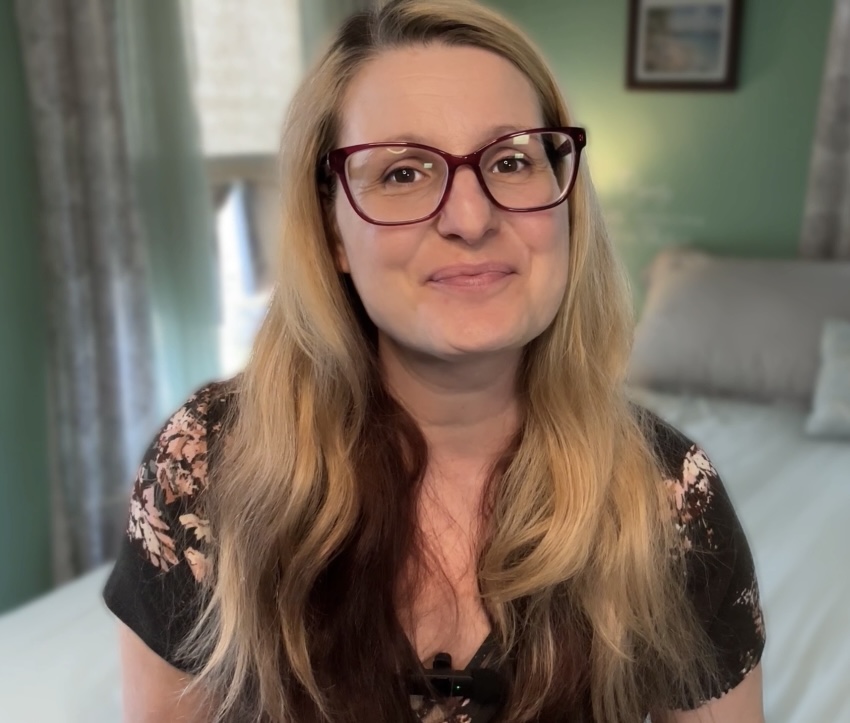
By Lori Wesmiller, Mental Health Therapist | Balance & Bloom 50+

Woman in midlife feeling depressed and anxious sitting at her house on the couch


You’ve always felt pretty emotionally steady. But lately? You’re not so sure.

Maybe you’ve started feeling more anxious. Maybe your mood drops for no reason. Maybe you find yourself overreacting—or numbing out completely. And the question starts to creep in: Is something wrong with me?

If this sounds familiar, you’re not alone—and no, you’re not losing it. Mental health shifts in midlife are common, but rarely talked about. And understanding what’s happening beneath the surface can help you find clarity, support, and peace.

Midlife Isn’t Just a Phase—It’s a Psychological Turning Point

Midlife (typically defined as your 40s through 60s) brings enormous physical, emotional, and relational change. Hormones shift. Roles change. Losses accumulate. And the questions get bigger: Who am I now? What matters most?

This period of life naturally stirs up identity, grief, and uncertainty—which can set the stage for mental health challenges that may not have surfaced before.

5 Common Mental Health Conditions That Can Emerge in Midlife

Midlife woman sitting at home having mental health problems

Let’s normalize this. Here are some of the most common mental health conditions that can first show up—or get significantly worse—during midlife:

1. Anxiety Disorders

You might feel jumpy, irritable, overwhelmed, or like your body’s always on high alert. Generalized anxiety, panic attacks, or health-related anxiety can increase during perimenopause due to hormonal fluctuations (especially drops in estrogen and progesterone, which regulate calming neurotransmitters like GABA).

2. Depression

Midlife depression doesn’t always look like sadness. It can show up as numbness, lack of motivation, physical fatigue, or a loss of joy in things you used to love. Hormonal changes, accumulated life stress, and unmet emotional needs all contribute.

3. Obsessive Thinking or OCD Tendencies

Intrusive thoughts and compulsive behaviors can intensify when estrogen drops and stress rises. It may look like perfectionism, over-checking, or repetitive thoughts that feel hard to shake.

4. PTSD or Trauma Re-emergence

Old wounds you thought were “handled” may resurface—especially if you finally have space to process them. This might happen around anniversaries, losses, or when your environment feels emotionally safer than it did in the past.

5. Substance Misuse or Emotional Numbing

When life feels heavy and overstimulating, numbing behaviors can sneak in—whether that’s wine every night, online shopping, food binges, or scrolling for hours. These aren’t moral failures; they’re coping strategies. But they can turn into deeper issues when left unaddressed.

Why Midlife Makes Us More Vulnerable

There’s a physiological reason this happens. In midlife, your brain is responding to hormonal shifts, disrupted sleep, nervous system dysregulation, and decades of cumulative stress. Add caregiving responsibilities, grief, changing bodies, and evolving relationships—and your emotional capacity gets stretched.

Many women have spent years holding everything together. By the time midlife hits, the emotional backlog needs somewhere to go.

Signs You Might Be Struggling (Even If You’re Still Functioning)

Sad depressed midlife woman at home sitting on the couch, looking down and touching her forehead,

You don’t have to be falling apart to be struggling. Common midlife mental health signs include:

  • Feeling “off” or unlike yourself
  • Irritability, impatience, or mood swings
  • Overwhelm at small tasks
  • Isolating more than usual
  • Sleep issues or appetite changes
  • Teariness or unexpected crying
  • A deep sense of restlessness or numbness
  • Questioning your life, marriage, career, or self-worth

If any of these feel familiar, your nervous system may be waving a white flag.

You’re Not Broken—You’re Becoming More Fully You

Midlife can feel like unraveling. But often, it’s actually an unveiling—a shedding of old roles, outdated expectations, and buried emotions. Mental health challenges aren’t a sign you’re weak—they’re a sign something inside you is asking to be seen, heard, and healed.

Therapy, community, self-regulation tools, and even HRT (for those in perimenopause or menopause) can help stabilize your emotional world and reconnect you with yourself.

Final Thoughts: You Don’t Have to “Push Through” This

You’re not too late. You’re not too far gone. And you’re definitely not the only one feeling this way. Whether your mental health challenges are new, returning, or evolving—you deserve support that meets you in this season with compassion and care.

This isn’t about starting over. It’s about starting deeper.

Important Reminder

If your symptoms are interfering with daily life—like trouble sleeping, ongoing panic, thoughts of hopelessness, or feeling emotionally overwhelmed more days than not—it’s time to reach out. Mental health concerns are treatable, and you don’t have to manage them alone. Please speak with a licensed therapist, medical provider, or mental health professional if you need extra support. You are worthy of care.

Need Extra Support? Download These Free Therapist-Backed Guides

📘 Anxiety in Midlife: Understanding, Calming, and Reclaiming Peace

Learn why anxiety often increases in midlife, how it affects your mind and body, and what you can do to begin feeling more grounded.

📘 The Hormone Harmony Guide

Discover how hormonal shifts impact your mental health—and simple, supportive ways to feel more balanced.

💌 Stay Connected

Want more midlife mental health support, hormone help, and therapist-backed tips delivered straight to your inbox?

Join the Balance & Bloom 50+ email community here.

You’ll get first access to new guides, calming rituals, and relatable content to help you feel more like you again.

Panic Attacks in Midlife: What’s Going On and How to Find Relief

Midlife panic attack
Midlife woman having a panic attack at home

Ever had one of those moments where everything feels fine—until suddenly, it doesn’t?

You’re going about your day — maybe working, grocery shopping, or getting ready for bed — when suddenly your heart races, your chest tightens, and a wave of dread crashes over you. You feel like something is terribly wrong. Are you having a heart attack? Are you losing control?

It might actually be a panic attack — and if you’re in midlife, you’re not alone.

🌀 What Is a Panic Attack?

A panic attack is a sudden surge of intense fear or discomfort that comes on quickly — often with no clear trigger. It can cause physical symptoms like:

  • Rapid heartbeat
  • Shortness of breath
  • Chest pain
  • Dizziness or lightheadedness
  • Nausea
  • Sweating or chills
  • Numbness or tingling
  • A sense of detachment or feeling like you’re “going crazy”

These episodes can be terrifying, but they’re not life-threatening — even though they may feel like it in the moment.

Woman in her 40s having a midlife moment of panic and anxiety

Woman in her 40s having a midlife moment of panic and anxiety

🔍 Why Do Panic Attacks Happen?

Panic attacks are the body’s fight-or-flight system misfiring. Your brain perceives a threat — even if it’s not real — and floods your system with stress hormones like adrenaline. This causes the intense physical symptoms we associate with panic.

Triggers can include:

  • High levels of ongoing stress
  • Major life transitions
  • Trauma or unresolved anxiety
  • Hormonal shifts (yes, we’ll get to that!)
  • Sleep deprivation
  • Caffeine or certain medications

🌡️ Why Are Panic Attacks More Common in Midlife?

In midlife, your body and brain are navigating a lot behind the scenes:

  • Hormonal changes during perimenopause and menopause can disrupt your nervous system and make you more sensitive to stress. Drops in estrogen and progesterone can increase anxiety, affect mood regulation, and throw off sleep — all of which raise the risk of panic attacks.
  • Life pressures — like aging parents, teens, career burnout, or relationship shifts — can pile on emotional stress.
  • Physical health changes, thyroid imbalances, or vitamin deficiencies can mimic or intensify panic symptoms.

So if you’re in your 40s or 50s and suddenly struggling with anxiety or panic, you’re not broken — your body is just asking for more support.

40 year old woman having anxiety on a bench

🧘‍♀️ How to Calm a Panic Attack Quickly

The good news? There are things you can do in the moment to help stop a panic attack in its tracks:

1. Ground yourself

Look around and name 5 things you see, 4 you can touch, 3 you can hear, 2 you can smell, and 1 you can taste. This 5-4-3-2-1 technique helps anchor you to the present.

2. Breathe with intention

Try this: Inhale slowly for 4 counts, hold for 4, exhale for 6. Repeat a few rounds. Slowing your exhale tells your nervous system it’s safe to calm down.

3. Use a calming statement

Say to yourself: “This is just a panic attack. It will pass. I am safe.” Even if it doesn’t feel true right away, this affirmation disrupts fear loops in the brain.

4. Change your environment

If you can, step outside, splash cold water on your face, or hold something with texture (like an ice cube or smooth stone). Engaging the senses can interrupt the panic cycle.

🌿 Long-Term Support for Midlife Anxiety

Panic attacks are a signal — not a flaw. Supporting your nervous system consistently can help reduce their frequency:

  • Sleep is non-negotiable. Prioritize deep rest whenever possible.
  • Exercise (even gentle walks or stretching) burns off stress hormones.
  • Balanced nutrition stabilizes blood sugar and mood.
  • Therapy or support groups can help you process what’s beneath the surface.
  • Consider hormonal support — talk to your doctor about HRT or alternatives if you suspect your symptoms are connected to perimenopause or menopause.
Doctor offering hormonal support for midlife health

💛 Final Thoughts

If you’ve been struggling with panic attacks in midlife, please know: you’re not alone, and you’re not “too emotional,” “too sensitive,” or “too much.”

Your body is trying to keep you safe — it just needs a little help remembering that you already are.

You deserve peace, clarity, and support in this season of life. And you’re not crazy — you’re going through something very real.

Menopause Guide: Navigating Changes with Confidence

By Lori Wesmiller | Balance & Bloom 50+

Lori Wesmiller, midlife therapist, thriving in menopause

Let’s take a moment to demystify something half the population will go through, yet many women feel unprepared for: menopause.

Whether you’re feeling off lately, starting to track irregular cycles, or deep in hot flash territory—this post is for you. Menopause is a powerful and natural transition, not a disease or weakness. And the more we understand it, the more we can support our bodies with compassion, confidence, and care.


🌸 What Is Menopause?

Menopause is the biological process that marks the end of your menstrual cycles. It’s officially diagnosed after 12 consecutive months without a period, typically occurring between the ages of 45 and 55.

But it doesn’t happen overnight—there’s a build-up stage known as perimenopause, which can begin years earlier and bring its own set of symptoms.


👩‍🦳 Who Does It Affect?

  • All women assigned female at birth who reach midlife
  • Typically begins between ages 45–55, but can happen earlier or later
  • Early menopause may be triggered by:
    • Surgery (hysterectomy or oophorectomy)
    • Cancer treatments (chemo/radiation)
    • Genetics or autoimmune conditions

And let’s be clear: menopause affects more than just your period. It can impact your entire body and emotional well-being.


🩺 What Are the Symptoms?

According to the North American Menopause Society (NAMS), declining estrogen and hormone shifts can cause a wide range of symptoms, including:

Physical Symptoms:

  • Hot flashes and night sweats
  • Irregular or missed periods
  • Vaginal dryness or discomfort
  • Sleep disturbances
  • Weight gain, especially around the midsection
  • Thinning hair or dry skin
  • Digestive changes (bloating, constipation)

Mental & Emotional Symptoms:

  • Mood swings, irritability
  • Anxiety or depression
  • Brain fog and forgetfulness
  • Low libido
  • Fatigue and lack of motivation

Every woman’s experience is unique—some have few symptoms, while others feel like they’re living in someone else’s body.


🌿 Natural Remedies & Lifestyle Support

Before jumping to medications, many women explore natural approaches to ease their symptoms. These won’t “cure” menopause (it’s a natural stage!), but they can support hormone balance and overall wellness.

✅ Diet & Nutrition

  • Protein supports lean muscle and energy
  • Fiber aids digestion and estrogen detox
  • Healthy fats (avocados, nuts, olive oil) support hormone production
  • Limit sugar, caffeine, and alcohol to reduce inflammation and sleep issues
  • Stay hydrated!

✅ Movement

  • Strength training helps with bone density and metabolism
  • Walking or light cardio improves mood and cardiovascular health
  • Yoga or stretching eases stress and supports pelvic floor health

✅ Sleep & Stress

  • Create a calming bedtime routine
  • Try magnesium, chamomile, or lavender for sleep support
  • Practice mindfulness, journaling, or deep breathing daily

✅ Herbal Support (check with your doctor first):

  • Black cohosh (hot flash support)
  • Maca root (energy & libido)
  • Ashwagandha (stress & cortisol support)
  • Evening primrose oil (hormonal balance)

Check out more natural tips in the Precision Nutrition Menopause Guide.


💊 Medical Interventions That Can Help

If symptoms are severely affecting your quality of life, there is no shame in seeking medical support. Every woman deserves to feel good.

Options Include:

Hormone Replacement Therapy (HRT)

  • Replaces estrogen and/or progesterone
  • Can relieve hot flashes, sleep issues, vaginal dryness, and mood shifts
  • Best when started under age 60 or within 10 years of menopause
  • Discuss risks/benefits with a menopause-informed doctor
    (More from Mayo Clinic)

Non-Hormonal Medications

  • SSRIs (for mood and hot flashes)
  • Vaginal estrogen creams or moisturizers
  • Sleep aids (as needed)

Pelvic Floor Therapy

  • For urinary issues or intimacy discomfort

Final Thoughts: You’re Not Alone, and You’re Not Broken

Menopause is not an ending—it’s an evolution. It’s a time to tune in, care deeply for yourself, and reconnect with your strength. Whether you choose natural approaches, medical help, or a mix of both—you are in charge of your wellness journey.

Here at Balance & Bloom 50+, I’m walking this path right alongside you. Together, we can thrive through this transition with grace, grit, and maybe even a little sparkle. ✨


📥 Want support every step of the way?

Packed with daily tips to help you feel better naturally.


🧠 Further Reading: