When You’re Functioning but Feel Flat: Understanding Midlife Depression

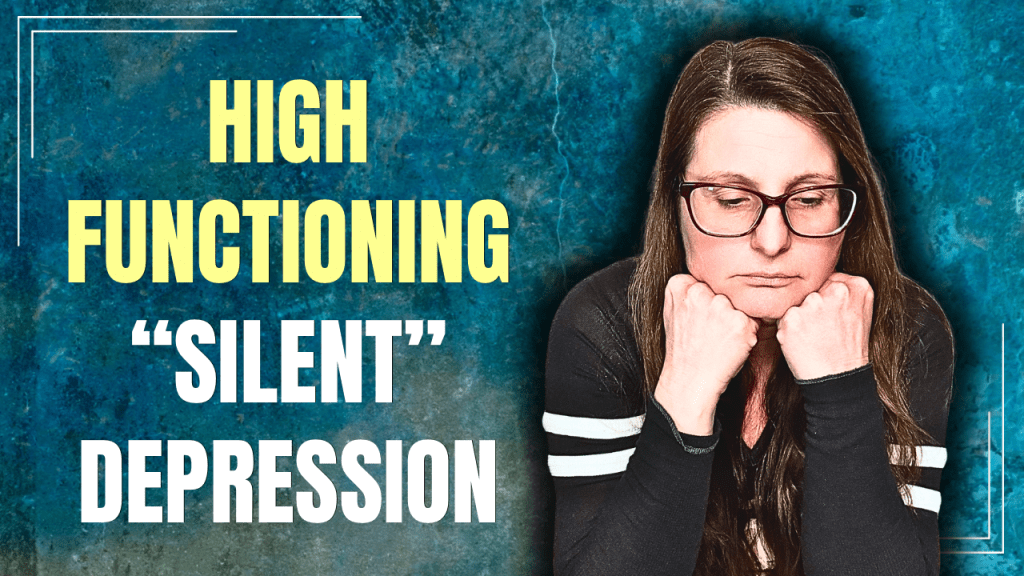
Woman looking down thoughtfully with text reading “High Functioning Silent Depression” on a teal background, representing midlife depression that isn’t outwardly visible.
Midlife depression isn’t always loud

Not all depression looks dramatic.

It doesn’t always look like staying in bed.

It doesn’t always look like tears.

It doesn’t always look like crisis.

In midlife, depression often looks functional.

You’re showing up.

You’re working.

You’re parenting.

You’re caregiving.

You’re answering messages.

You’re keeping appointments.

You’re getting things done.

From the outside, you look “fine.”

But internally?

You feel flat.

Disconnected.

Less motivated.

Less alive.

And because you’re still functioning, it’s easy to dismiss what you’re feeling.

When “I’m Fine” Doesn’t Feel True

Many women in their 40s and 50s experience a subtle emotional shift that doesn’t fit the stereotype of depression.

It may feel like:

Emotional dullness instead of sadness Chronic depletion instead of overwhelm Irritability instead of despair Brain fog instead of hopelessness Withdrawal instead of collapse

You may tell yourself:

“I’m just tired.”

“It’s just hormones.”

“I’m burned out.”

“This is just midlife.”

And sometimes those things are part of the picture.

But sometimes it’s more layered than that.

Why High-Functioning Depression Gets Missed in Midlife

Midlife mental health is complex.

Hormones shift.

Sleep changes.

Stress accumulates.

Parents age.

Children grow up.

Careers peak or plateau.

Identity evolves.

When depression shows up during this season, it blends in.

It can be misdiagnosed as:

Perimenopause Burnout Stress overload Personality changes “Just being overwhelmed”

And while those experiences are real, they don’t fully explain the emotional flatness some women feel.

High-functioning depression often hides behind productivity.

You’re still doing everything.

You just don’t feel connected to any of it.

The Difference Between Depletion and Laziness

One of the most damaging narratives women internalize in midlife is this:

“I should be able to handle this.”

When motivation drops…

When joy feels distant…

When everything feels like effort…

It’s easy to interpret that as laziness or lack of discipline.

But depletion is not laziness.

Depletion is what happens when your nervous system has been in output mode for years — sometimes decades — without true restoration.

Depression in midlife doesn’t always scream.

Sometimes it whispers.

And whispers are easy to ignore.

What Midlife Depression Is Not

It is not weakness.

It is not failure.

It is not ingratitude.

It is not a character flaw.

It is not “being dramatic.”

It is often a signal.

A signal that something internally needs attention.

A signal that your emotional world deserves care — not dismissal.

The Layered Reality of Mental Health After 40

Mental health in midlife is rarely one-dimensional.

It can involve:

Hormonal shifts Neurobiological changes Long-term stress patterns Unprocessed grief Identity transitions Emotional burnout Life-stage reevaluation

When these layers quietly stack over time, emotional numbness can become the default.

You might not feel deeply sad.

You might just feel less.

And “less” can be hard to recognize.

If Something Feels Off

If you’ve been thinking:

“I’m fine… but something feels off.”

Pay attention to that.

You don’t need to be in crisis to deserve support.

You don’t need to be falling apart to take your mental health seriously.

You don’t need a dramatic story to validate your experience.

Sometimes the quiet version is the one that needs the most compassion.

Want to Go Deeper?

I recently recorded a full video breaking down:

What high-functioning depression can look like after 40 Why it blends into hormonal shifts and stress The difference between depletion and laziness What midlife depression is — and what it isn’t Supportive next steps

If this resonated with you, you can watch the full conversation here:

👉 The Quiet Version of Midlife Depression No One Talks About

You are not imagining it.

You are not failing.

And you are not alone in this.

— Lori Wesmiller

Balance & Bloom

When Mental Health Shifts in Midlife: What’s Really Going On?

By Lori Wesmiller, Mental Health Therapist | Balance & Bloom 50+

Woman in midlife feeling depressed and anxious sitting at her house on the couch


You’ve always felt pretty emotionally steady. But lately? You’re not so sure.

Maybe you’ve started feeling more anxious. Maybe your mood drops for no reason. Maybe you find yourself overreacting—or numbing out completely. And the question starts to creep in: Is something wrong with me?

If this sounds familiar, you’re not alone—and no, you’re not losing it. Mental health shifts in midlife are common, but rarely talked about. And understanding what’s happening beneath the surface can help you find clarity, support, and peace.

Midlife Isn’t Just a Phase—It’s a Psychological Turning Point

Midlife (typically defined as your 40s through 60s) brings enormous physical, emotional, and relational change. Hormones shift. Roles change. Losses accumulate. And the questions get bigger: Who am I now? What matters most?

This period of life naturally stirs up identity, grief, and uncertainty—which can set the stage for mental health challenges that may not have surfaced before.

5 Common Mental Health Conditions That Can Emerge in Midlife

Midlife woman sitting at home having mental health problems

Let’s normalize this. Here are some of the most common mental health conditions that can first show up—or get significantly worse—during midlife:

1. Anxiety Disorders

You might feel jumpy, irritable, overwhelmed, or like your body’s always on high alert. Generalized anxiety, panic attacks, or health-related anxiety can increase during perimenopause due to hormonal fluctuations (especially drops in estrogen and progesterone, which regulate calming neurotransmitters like GABA).

2. Depression

Midlife depression doesn’t always look like sadness. It can show up as numbness, lack of motivation, physical fatigue, or a loss of joy in things you used to love. Hormonal changes, accumulated life stress, and unmet emotional needs all contribute.

3. Obsessive Thinking or OCD Tendencies

Intrusive thoughts and compulsive behaviors can intensify when estrogen drops and stress rises. It may look like perfectionism, over-checking, or repetitive thoughts that feel hard to shake.

4. PTSD or Trauma Re-emergence

Old wounds you thought were “handled” may resurface—especially if you finally have space to process them. This might happen around anniversaries, losses, or when your environment feels emotionally safer than it did in the past.

5. Substance Misuse or Emotional Numbing

When life feels heavy and overstimulating, numbing behaviors can sneak in—whether that’s wine every night, online shopping, food binges, or scrolling for hours. These aren’t moral failures; they’re coping strategies. But they can turn into deeper issues when left unaddressed.

Why Midlife Makes Us More Vulnerable

There’s a physiological reason this happens. In midlife, your brain is responding to hormonal shifts, disrupted sleep, nervous system dysregulation, and decades of cumulative stress. Add caregiving responsibilities, grief, changing bodies, and evolving relationships—and your emotional capacity gets stretched.

Many women have spent years holding everything together. By the time midlife hits, the emotional backlog needs somewhere to go.

Signs You Might Be Struggling (Even If You’re Still Functioning)

Sad depressed midlife woman at home sitting on the couch, looking down and touching her forehead,

You don’t have to be falling apart to be struggling. Common midlife mental health signs include:

  • Feeling “off” or unlike yourself
  • Irritability, impatience, or mood swings
  • Overwhelm at small tasks
  • Isolating more than usual
  • Sleep issues or appetite changes
  • Teariness or unexpected crying
  • A deep sense of restlessness or numbness
  • Questioning your life, marriage, career, or self-worth

If any of these feel familiar, your nervous system may be waving a white flag.

You’re Not Broken—You’re Becoming More Fully You

Midlife can feel like unraveling. But often, it’s actually an unveiling—a shedding of old roles, outdated expectations, and buried emotions. Mental health challenges aren’t a sign you’re weak—they’re a sign something inside you is asking to be seen, heard, and healed.

Therapy, community, self-regulation tools, and even HRT (for those in perimenopause or menopause) can help stabilize your emotional world and reconnect you with yourself.

Final Thoughts: You Don’t Have to “Push Through” This

You’re not too late. You’re not too far gone. And you’re definitely not the only one feeling this way. Whether your mental health challenges are new, returning, or evolving—you deserve support that meets you in this season with compassion and care.

This isn’t about starting over. It’s about starting deeper.

Important Reminder

If your symptoms are interfering with daily life—like trouble sleeping, ongoing panic, thoughts of hopelessness, or feeling emotionally overwhelmed more days than not—it’s time to reach out. Mental health concerns are treatable, and you don’t have to manage them alone. Please speak with a licensed therapist, medical provider, or mental health professional if you need extra support. You are worthy of care.

Need Extra Support? Download These Free Therapist-Backed Guides

📘 Anxiety in Midlife: Understanding, Calming, and Reclaiming Peace

Learn why anxiety often increases in midlife, how it affects your mind and body, and what you can do to begin feeling more grounded.

📘 The Hormone Harmony Guide

Discover how hormonal shifts impact your mental health—and simple, supportive ways to feel more balanced.

💌 Stay Connected

Want more midlife mental health support, hormone help, and therapist-backed tips delivered straight to your inbox?

Join the Balance & Bloom 50+ email community here.

You’ll get first access to new guides, calming rituals, and relatable content to help you feel more like you again.